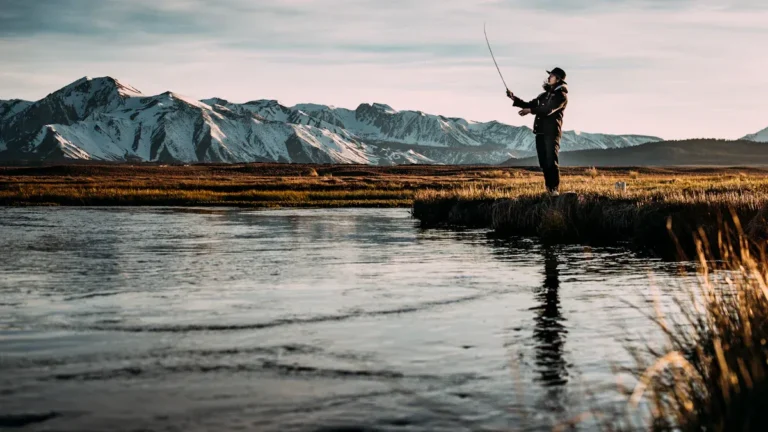
Fishing connects millions of people worldwide. Did you know that between 220 and 700 million individuals participate in recreational fishing? This activity not only provides relaxation but also supports local economies. For instance, fishing tourism generates over $1.125 billion annually in the Cabo region alone! With such a vast community of anglers, it’s crucial to practice good fishing etiquette. Respecting fellow anglers and the environment ensures that everyone enjoys their time on the water. Let’s dive into how you can be a responsible angler while enjoying this beloved pastime.
Key Takeaways
Respect fellow anglers by maintaining a distance of 200 to 300 feet. This helps everyone enjoy their fishing experience.
Follow local fishing regulations, including license requirements and catch limits. This ensures sustainable practices and protects fish populations.
Practice catch-and-release by using barbless hooks and minimizing the time fish spend out of water. This increases their chances of survival.
Adopt sustainable fishing practices, such as using biodegradable gear and cleaning up after yourself. This protects the environment and marine life.
Get involved in local conservation efforts. Participate in clean-up events and support marine protected areas to help preserve fishing habitats.
Fishing Etiquette
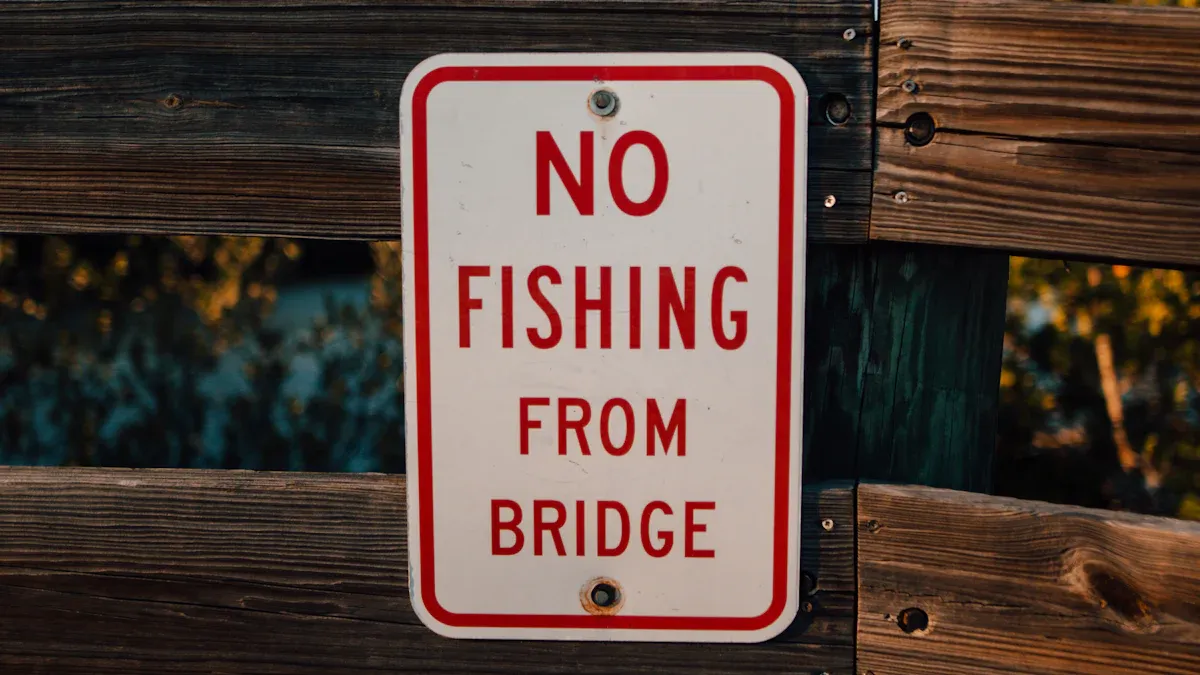
Respecting Fellow Anglers
When you head out to fish, remember that you’re not alone on the water. Respecting fellow anglers is key to ensuring everyone has a great experience. Here are some essential points to keep in mind:
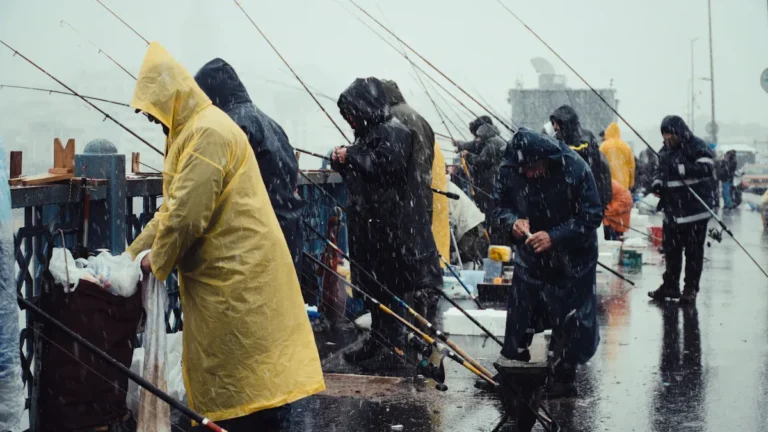
Maintain Distance: Try to keep a distance of 200 to 300 feet from other anglers. This space allows everyone to fish comfortably without feeling crowded. If you need to pass by someone, maintain a minimum distance of 100 feet to avoid disrupting their fishing.
Stay Quiet: Noise can significantly affect fish behavior. Loud conversations or music can scare fish away, making it harder for you and others to catch anything. Keep your voice down and be mindful of your surroundings. Remember, a peaceful environment benefits everyone.
Be Considerate: If you see someone struggling with their gear or needing assistance, offer a helping hand. A friendly gesture can foster a positive fishing community.
Conflicts can arise in popular fishing spots, often due to congestion. Here’s a quick look at some common issues:
Conflict Type | Description |
|---|---|
Angler-Angler Conflict | Issues arising from congestion, such as multiple anglers at a single riffle or crowded launches. |
Angler vs. Other Users | Conflicts between anglers and other river users like rafters and kayakers, leading to navigational issues. |
Congestion Issues | High numbers of users leading to a diminished experience and potential arguments among users. |
Following Local Regulations
Understanding and following local regulations is crucial for responsible fishing. These rules help protect fish populations and ensure sustainable practices. Here are some guidelines to consider:
Follow Local Regulations: Familiarize yourself with fishing laws, including license requirements and catch limits. Always carry your fishing license with you.
Respect Other Anglers: Keep a safe distance, avoid crowding, and maintain low noise levels. This consideration helps everyone enjoy their time on the water.
Respect the Environment: Protect natural habitats and clean up after yourself. Leaving no trace is essential for preserving the beauty of fishing locations.
Practice Safe Fishing: Wear appropriate gear and stay aware of weather conditions. Safety should always come first.
Foster a Positive Fishing Community: Share your knowledge, welcome newcomers, and celebrate successes together. A supportive community enhances the fishing experience for everyone.
Local regulations can vary significantly between freshwater and saltwater environments. Here’s a quick comparison:
Environment | Regulations |
|---|---|
Freshwater | Specific state regulations, separate licensing, and protection of different fish species. |
Saltwater | Each coastal state has its own laws to protect fish populations and manage catch limits. |
By respecting fellow anglers and following local regulations, you contribute to a more enjoyable and sustainable fishing experience for everyone involved.
Catch-and-Release
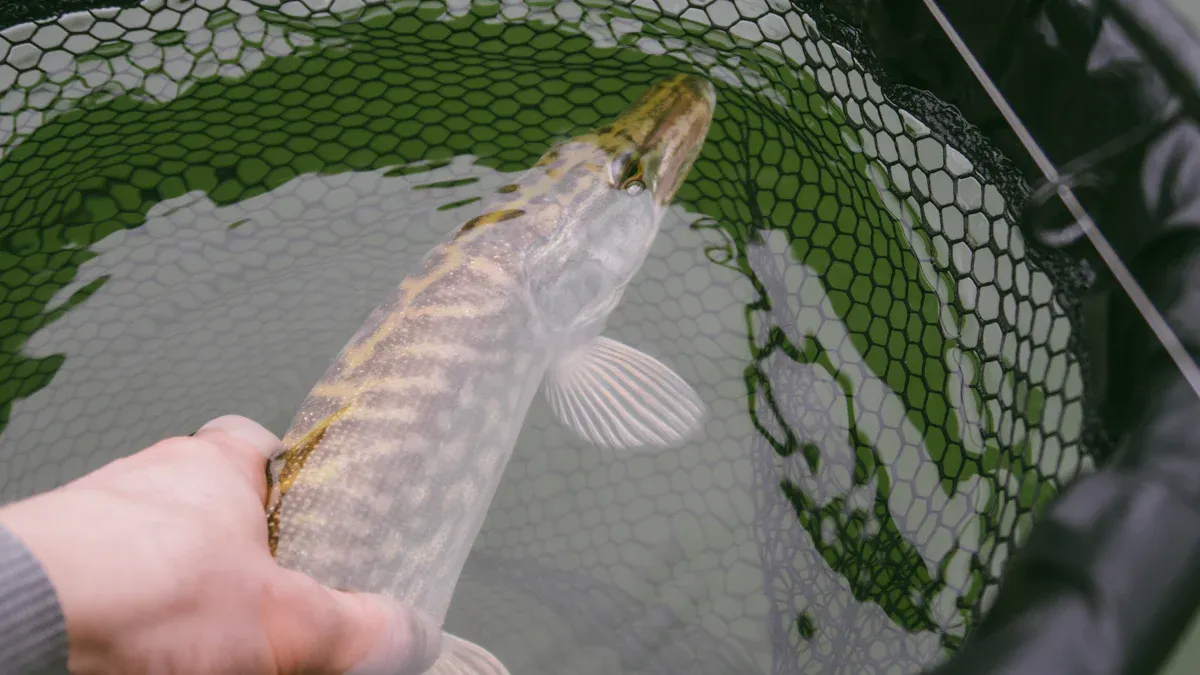
Best Practices
Catch-and-release fishing is a great way to enjoy your time on the water while respecting the fish and their habitats. To ensure the best outcomes for the fish you catch, follow these best practices:
Use the Right Gear: Opt for barbless hooks or smaller hooks to minimize injury. Barbless hooks can increase the release success rate significantly, allowing for a higher chance of survival for the fish.
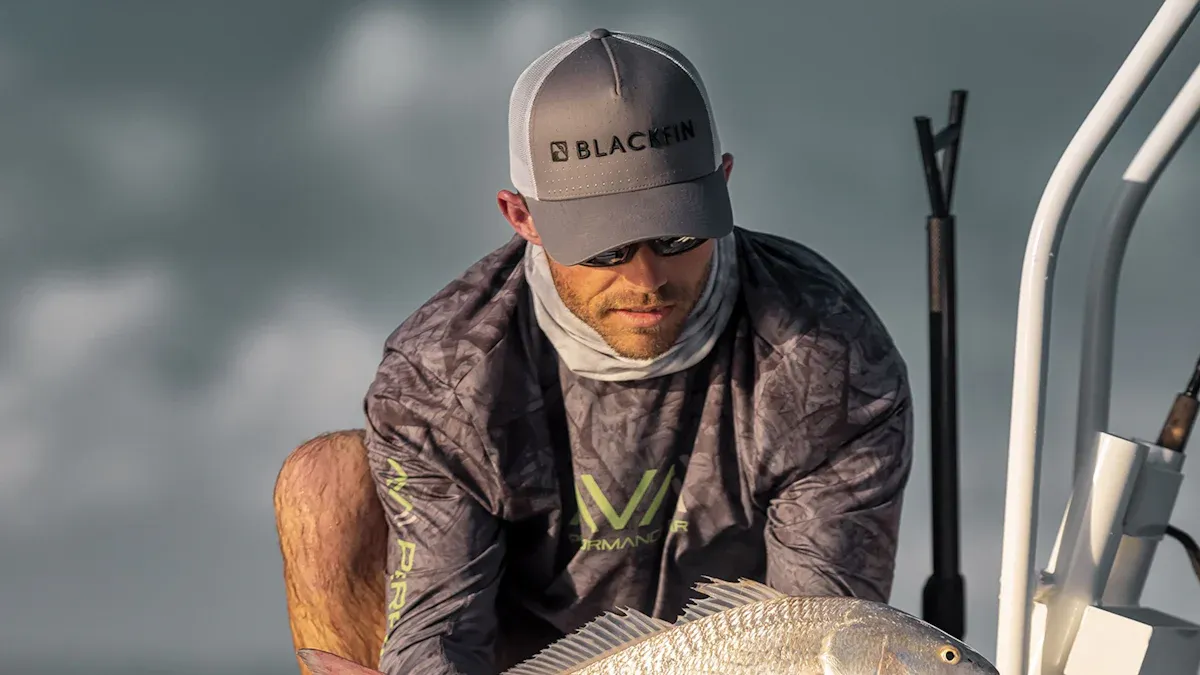
Keep the Fish in the Water as Much as Possible: Minimize the time the fish spends out of the water. Wet your hands before handling to protect the fish’s slime layer.
Handle Fish Gently: Support the fish’s body and avoid sensitive areas like gills and eyes. This helps reduce stress and injury.
Use a Hook Removal Tool: Remove hooks quickly and consider using barbless hooks for easier removal.
Revive the Fish Before Releasing: Gently move the fish in the water to help it recover. This is especially important for species sensitive to handling.
Remember, venting distended gas bladders is crucial for fish caught at depths greater than 30 feet. Proper venting can significantly increase survival rates for certain species, such as groupers, by relieving pressure and allowing them to swim back to the bottom.
Handling Fish
Handling fish responsibly is essential for their survival after release. Here are some tips to keep in mind:
Minimize Fight Time: The longer a fish fights, the more stressed it becomes. Try to land and handle fish quickly.
Avoid Air Exposure: Keep fish in the water as much as possible. Air exposure can lead to stress and injury.
Hold Fish Horizontally: This prevents internal injuries and supports the fish’s body properly.
Watch the Water Temperature: Higher temperatures can increase stress levels in fish. Aim to fish during cooler parts of the day.
By following these guidelines, you can enjoy fishing while ensuring that you respect the fish and contribute to their populations. Remember, responsible anglers make a difference!
Conservation Tips
Sustainable Practices
As an angler, you play a vital role in protecting our aquatic ecosystems. Adopting sustainable fishing practices not only helps maintain fish populations but also supports the health of the environment. Here are some effective methods you can implement:
Choose Sustainable Gear: Opt for biodegradable fishing gear. This choice significantly reduces pollution and minimizes the risk of ghost fishing, where lost gear continues to trap marine life. By using biodegradable nets, you help protect countless marine animals and contribute to healthier fish populations for future catches.
Practice Selective Fishing: Techniques like spearfishing and rod-and-reel fishing allow you to target specific species while minimizing bycatch. For example, spearfishing, practiced by many cultures worldwide, targets one fish at a time, resulting in minimal impact on other species.
Follow Local Regulations: Always carry your fishing license and adhere to local catch limits. These regulations are in place to ensure sustainable fish stocks and protect endangered species. Understanding fish habitats and their seasonal patterns can also guide you in making responsible choices.
Leave No Trace: When you fish, remember to clean up after yourself. Dispose of trash properly and avoid leaving any gear behind. This practice not only keeps the environment clean but also protects wildlife from potential hazards.
Local Conservation Efforts
Getting involved in local conservation efforts can make a significant difference in preserving fishing habitats. Here are some ways you can contribute:
Participate in Community Programs: Many local organizations host clean-up events or habitat restoration projects. Joining these initiatives helps improve the health of waterways and supports local wildlife.
Support Marine Protected Areas (MPAs): Areas like Maamunagau Island’s lagoon in the Maldives have been designated as MPAs to protect vital ecosystems. Supporting these areas ensures that fish populations can thrive and replenish.
Volunteer for Conservation Projects: Consider volunteering your time with local conservation groups. Roles can range from leading outreach programs to helping with event logistics. Your involvement can raise awareness and promote sustainable practices within the community.
Educate Others: Share your knowledge about sustainable fishing practices with fellow anglers. Encourage them to adopt similar habits and participate in conservation efforts. A collective approach can lead to more significant changes in fishing communities.
By embracing sustainable practices and engaging in local conservation efforts, you can help ensure that future generations enjoy the same fishing experiences you do today. Remember, every small action counts!
Fishing is more than just a hobby; it’s a shared experience that thrives on respect and responsibility. By practicing good etiquette, you help create a welcoming environment for everyone. Remember to follow local regulations, leave no trace, and master catch-and-release techniques. These actions not only protect fish populations but also ensure that future generations can enjoy the thrill of fishing. So, let’s work together to foster a culture of conservation and respect on the water!