Fishing captivates many with its promise of adventure and tranquility. Whether you cast your line into a serene lake or brave the open ocean, both freshwater and saltwater fishing offer unique experiences. Did you know that approximately 41.5 million anglers prefer freshwater fishing, while only 14.3 million choose saltwater fishing? Anglers often seek these activities for various reasons, such as enhancing their well-being, enjoying nature, and improving their skills. Each type of fishing has its own charm, making it worth exploring their key differences.
Key Takeaways
Freshwater fishing features smaller species like bass and trout, while saltwater fishing targets larger fish such as marlin and tuna.
Use lighter gear for freshwater fishing, but opt for more durable equipment when fishing in saltwater due to harsher conditions.
Engage in both types of fishing to enjoy unique benefits: freshwater offers tranquility, while saltwater provides excitement and challenges.
Plan your fishing trips around the best times and environmental conditions to increase your chances of success.
Understanding the differences in techniques and gear can enhance your fishing experience and appreciation for the sport.
Fish Species
Freshwater Fish
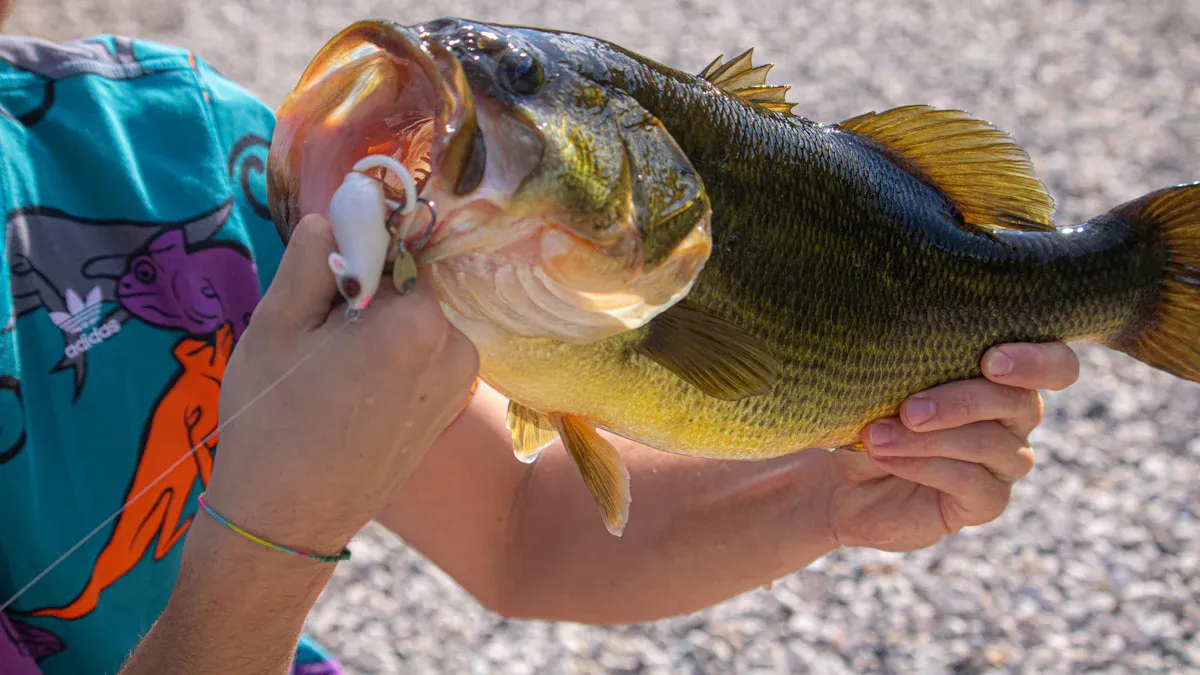
Freshwater fishing offers a diverse range of species that attract anglers worldwide. You can find many popular freshwater fish in lakes, rivers, and streams. Here are some of the top species you might encounter:
Rainbow Bass: Known for its striking colors and aggressive behavior, this fish provides an exciting challenge for anglers.
Himalayan Mahseer: One of the largest freshwater fish, it is famous for its golden scales and impressive size.
Papuan Black Bass: Renowned for its strength and tenacity, this species is a favorite among serious fishers.
Tiger Fish: Celebrated for its power and ferocity, it offers thrilling fishing battles.
White Sturgeon: The largest freshwater fish in North America, it can reach impressive sizes, making it a prized catch.
Freshwater environments, such as lakes and rivers, promote a rich diversity of fish species. Approximately 41% of all fish species are classified as freshwater fish, showcasing the unique ecosystems they inhabit.
Saltwater Fish
Saltwater fishing presents a different array of species, often larger and more powerful than their freshwater counterparts. Anglers seek out these fish for their size and the thrill of the catch. Some popular saltwater fish include:
Yellow-Tail Kingfish
Golden Trevally
Milkfish
Niugini Black Bass / Spot Tail Bass
Blue Bastard
Among these, larger species like marlin and tuna stand out. The average size and weight of these saltwater fish can be quite impressive. Here’s a quick look at some notable species:
Fish Species | Average Size (lbs) | Average Weight (lbs) |
|---|---|---|
Blue Marlin | 250 | Up to 1,800 |
White Marlin | 45 | Up to 108 |
Sailfish | 35 | Up to 75 |
Yellowfin Tuna | N/A | N/A |
Saltwater environments host approximately 58% of extant fish species, highlighting their vast biodiversity. The thrill of catching a large saltwater fish adds to the allure of saltwater fishing, making it a favorite for many anglers.
Gear Differences
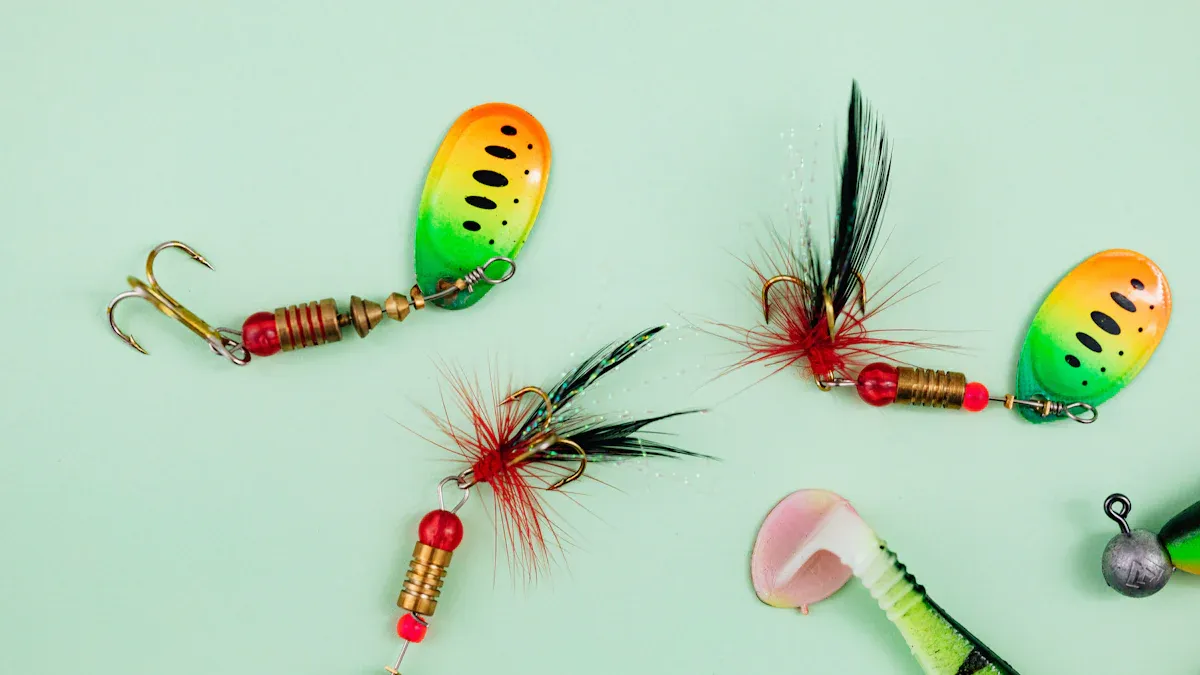
Freshwater Fishing Gear
When you embark on a freshwater fishing trip, you typically use lighter gear designed for sensitivity and responsiveness. Freshwater fishing gear often includes rods and reels made from materials like graphite and fiberglass. These materials provide the flexibility and sensitivity needed to detect smaller bites. Here are some common types of freshwater rods and reels:
Rod Type | Reel Type | Target Species |
|---|---|---|
6’6” Spincast rod | 150-Size spincast reel | Beginners |
6’6” Spinning rod | 2000 spinning reel | Long-term use |
7’ Baitcasting rod | 150-size casting reel | Largemouth, walleye, musky |
7ft medium heavy casting rod | 150 to 200 size baitcast reel | Largemouth bass |
7ft medium spinning rod | 2500 size spinning reel | Smallmouth bass |
7ft light action spinning rod | 1500 or 2000 size spinning reel | Crappie |
7ft medium action spinning rod | 2500 size spinning reel | Walleye |
Freshwater gear is generally more affordable than saltwater gear. The simpler construction and lighter materials make it accessible for beginners. You can enjoy a fulfilling fishing experience without breaking the bank.
Saltwater Fishing Gear
In contrast, saltwater fishing gear is built to withstand harsh marine environments. The materials used in saltwater gear are more robust, often including stainless steel, titanium, and anodized aluminum. These materials resist corrosion and rust, which are critical in saltwater conditions. Here’s a comparison of the construction materials used in saltwater versus freshwater fishing gear:
Feature | Saltwater Fishing Gear | Freshwater Fishing Gear |
|---|---|---|
Durability | More robust materials like copper and stainless steel | Standard materials like steel |
Corrosion Resistance | Designed to resist rust and corrosion from saltwater | Less concern for corrosion |
Guides Material | Titanium or anodized aluminum | Regular metals, smaller and lighter |
Reel Seats Material | Stainless steel or graphite | Aluminum or plastic |
Saltwater fishing gear is typically more expensive due to its durability and resistance to corrosion. This gear is designed to handle larger fish and increased line capacities. You’ll find that saltwater rods are tougher and can withstand the fight of big fish. Additionally, saltwater reels often feature sealed drag systems to keep saltwater out, ensuring longevity.
Proper maintenance of your saltwater gear is essential. Saltwater’s corrosive nature can weaken metal components and cause lines to fray. Regular cleaning and maintenance will help your gear remain in good working condition, preventing rust and salt buildup that can affect performance.
Fishing Techniques
Freshwater Techniques
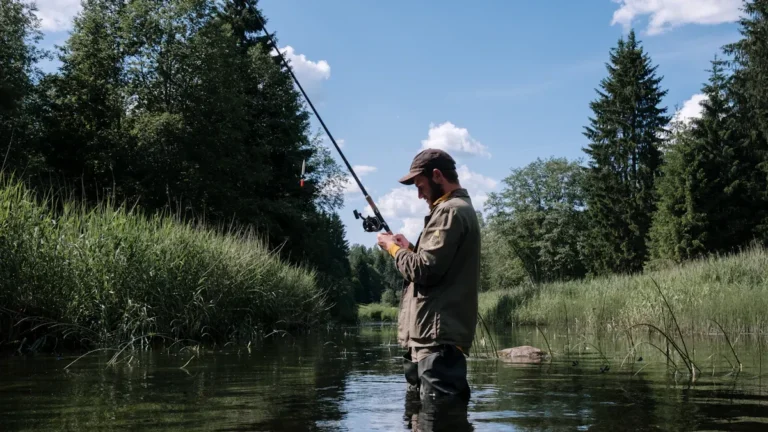
When you go freshwater fishing, you can choose from several popular techniques. Here are some common methods:
Fly Fishing: This technique uses a lightweight fly to imitate insects. It works well for species like trout.
Ice Fishing: In colder months, you can fish through holes in the ice. This method targets species like Northern Pike.
Dock Fishing: This is a beginner-friendly method. You can fish from a dock without needing special gear.
Spearing/Noodling: These techniques involve catching larger fish like catfish without using baited hooks.
Boat Fishing: This is the most popular method. It allows you to access various fish species in lakes and rivers.
You can also compare fishing methods using a table:
Fishing Method | Target Species | Techniques Used |
|---|---|---|
Fly Fishing | Primarily trout and salmon | Uses artificial flies to mimic natural prey |
Bait Fishing | Broader spectrum (bass, catfish) | Utilizes natural bait for various species |
Saltwater Techniques
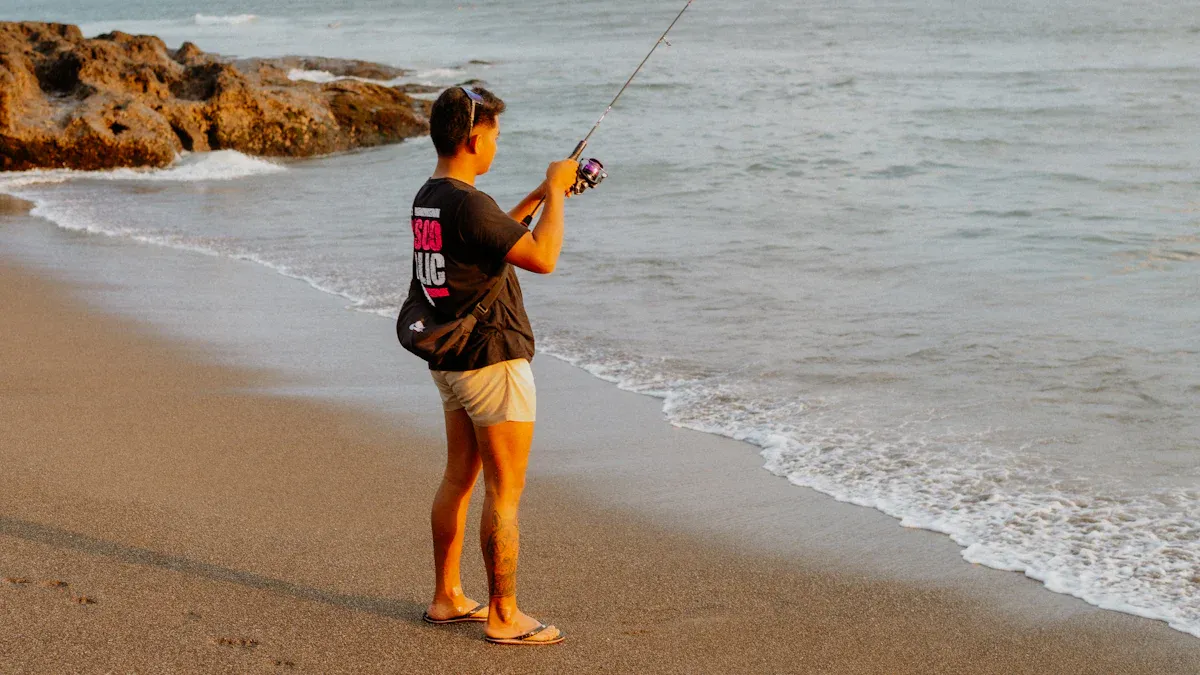
Saltwater fishing offers its own set of exciting techniques. Here are some popular methods:
Slow-Pitch Jigging: This finesse technique uses a flexible rod to attract fish with lifelike movements. It works well for bottom-feeding fish like tuna and striped bass.
Speed Jigging: This high-energy approach targets fast-moving species. You use a stiffer rod to catch fish like mackerel and marlin.
Trolling: This versatile technique involves moving a boat to drag lures or baited lines through the water. It targets pelagic species like tuna and marlin.
You can see the differences in techniques between freshwater and saltwater fishing in the following table:
Aspect | Freshwater Techniques | Saltwater Techniques |
|---|---|---|
Casting Techniques | Spin casting, baitcasting, and fly casting focused on accuracy and controlled placement. | Surfcasting, pier casting, and boat casting emphasizing long-distance power. |
Bait & Lure Presentation | Live bait, soft plastics, and crankbaits with subtle action for calm waters. | Metal jigs, poppers, and live bait designed for high visibility in strong currents. |
Fishing Locations | Lakes, rivers, and ponds with accessible fishing conditions. | Coastal bays, reefs, and offshore waters requiring boats or piers. |
Understanding these fishing techniques can enhance your fishing trip, whether you prefer freshwater or saltwater fishing.
Environmental Conditions
Freshwater Ecosystems
Freshwater ecosystems, such as lakes, rivers, and streams, support a unique variety of fish species. These environments have lower salt content, which influences the types of organisms that thrive there. Fish in freshwater ecosystems have specialized adaptations, like kidneys that help them excrete excess water. Key environmental factors affect your fishing success in these areas:
Light: Different fish species respond to light levels. For example, lower light can enhance fish growth and reduce stress.
Water Flow: Changes in flow velocity impact fish swimming behavior and migration patterns.
Temperature: Water temperature plays a crucial role in fish health. For instance, juvenile sea bass thrive at temperatures between 22–25 °C.
Understanding these factors can significantly improve your fishing trip.
Temperature Range | Fish Behavior |
|---|---|
Below 45°F | Trout become lethargic, conserving energy and feeding less. |
48-65°F | Trout are most active and willing to move for food. |
High 60s°F | Increased stress and reduced feeding occur due to oxygen depletion. |
Saltwater Ecosystems
Saltwater ecosystems, including oceans and coastal areas, present a different fishing experience. These environments have a higher salt content, around 3.5%, which supports a diverse range of marine species. The unique challenges of saltwater fishing include:
Tides: Tides significantly influence fish behavior. Spring tides create stronger currents that enhance feeding activity, while neap tides lead to more predictable feeding patterns.
Weather Conditions: Weather affects your fishing success. Calm seas often lead to better catches, while strong winds can complicate your efforts.
Water Temperature: Fish activity levels are closely tied to temperature. Warmer waters generally increase feeding activity.
Environmental Factor | Impact on Fishing Success |
|---|---|
Weather Conditions | Affects fisher decisions; calmer seas lead to greater success. |
Water Temperature | Fish activity levels are tied to temperature; warmer waters increase feeding activity. |
Tides | Influence fish behavior and feeding patterns, critical for planning successful trips. |
Both freshwater and saltwater environments offer distinct experiences. Understanding the differences in overall experience can enhance your fishing adventures.
In summary, freshwater and saltwater fishing offer distinct experiences. Freshwater fishing features smaller species like bass and trout, while saltwater fishing targets larger fish such as marlin and tuna. You can use lighter gear for freshwater fishing, but saltwater fishing requires more durable equipment.
Both types of fishing provide unique benefits. Freshwater fishing allows for a peaceful escape, while saltwater fishing delivers excitement and challenges. Engaging in both can improve your physical health, enhance mental well-being, and foster social connections.
Consider planning a fishing trip that includes both freshwater and saltwater experiences. You will gain a deeper appreciation for the sport and the diverse environments it offers.