Boating can be an exciting adventure for anyone, especially for beginners. If you’re new to this world, our Beginner Boating Guide is here to help! Did you know that in 2021, around 420,000 first-time boat buyers jumped into the experience? That’s a lot of new faces on the water! Whether you’re planning a day on the lake or a weekend at sea, understanding the basics of navigation, safety, and preparation is essential. So, get ready to embrace the waves with our Beginner Boating Guide and make unforgettable memories!
Key Takeaways
Familiarize yourself with navigation tools like GPS and nautical charts to enhance your boating experience.
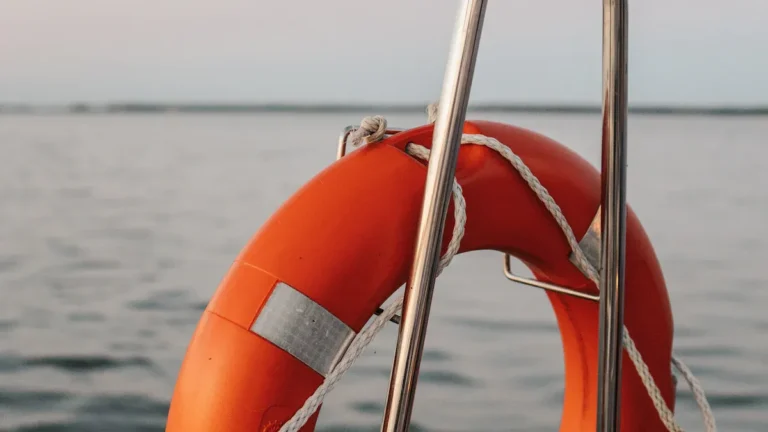
Always wear a life jacket. It can reduce the risk of drowning by up to 80%. Safety first!
Check the weather before heading out. Be prepared to change plans if conditions worsen.
Create a pre-trip checklist to ensure you have all necessary safety gear and supplies on board.
Regularly practice emergency procedures. Knowing what to do can save lives in critical situations.
Navigation
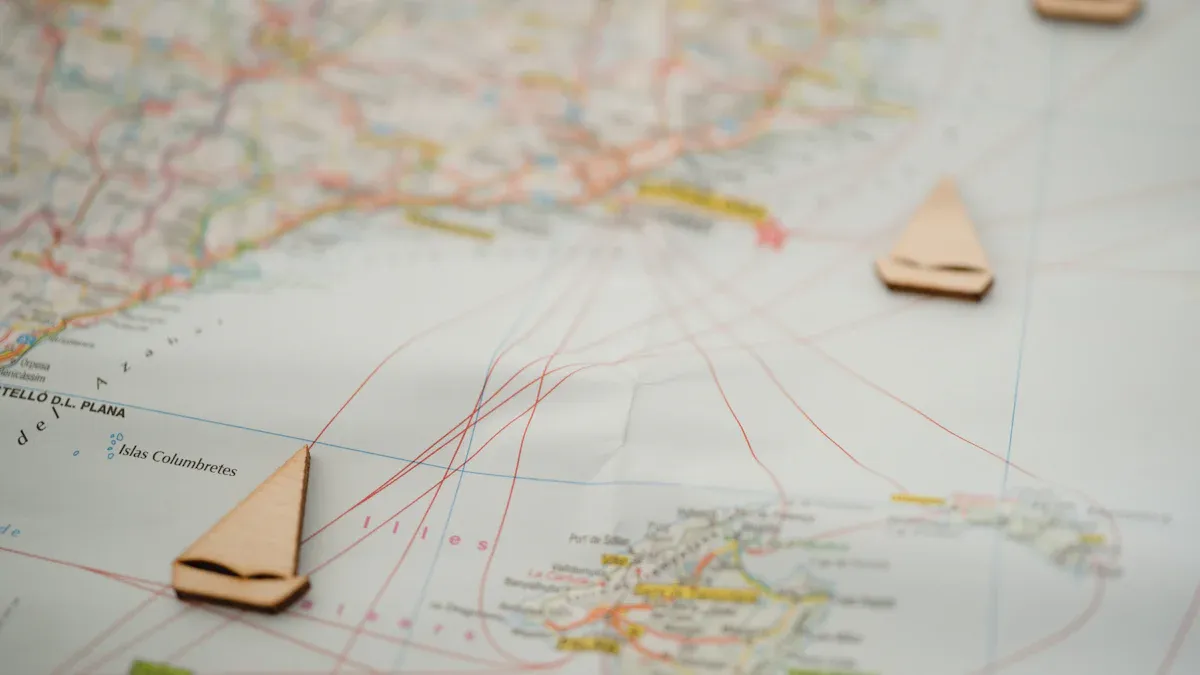
Navigating the waters can seem daunting for beginners, but it’s essential for safe and enjoyable boating. Understanding navigation helps you avoid hazards and reach your destination confidently. Let’s explore some key navigation tools and methods you can use.
Navigation Tools
As a beginner, you’ll want to familiarize yourself with various navigation tools. Here are some of the most commonly used tools that can enhance your boating experience:
GPS chartplotters
Navigation apps
Compasses
Depth finders
Navigation lights
VHF marine radios
These tools help you stay oriented and informed while on the water. For instance, GPS chartplotters provide real-time location data, making it easier to navigate busy waterways.
Nautical Charts
Nautical charts are vital for safe boating. They offer detailed information about water depths, hazards, and navigable routes. Here are some key features of nautical charts that you should know:
Feature | Description |
|---|---|
Scale | Large-scale charts provide detailed views of smaller areas, while small-scale charts cover wider areas with less detail. |
Color Coding | Different colors indicate water depth and hazards: light blue for deep water, dark blue for shallow areas, green for intertidal zones, and magenta for special symbols. |
Depth Indicators | Soundings show water depth in various units, and contour lines indicate underwater topography, essential for avoiding grounding. |
Navigation Aids | Symbols and colors mark navigable channels and hazards, helping boaters navigate safely. |
Hazards | Symbols indicate obstructions like rocks or shipwrecks, crucial for safe navigation. |
Using these charts effectively can significantly improve your safety on the water.
Using GPS
GPS technology has revolutionized navigation for boaters. It provides the fastest and most accurate navigation method available. Here’s how GPS can enhance your boating experience:
It helps determine your location and measure speed, which are critical for safety.
Knowing your vessel’s position is essential, especially in congested areas.
Modern GPS systems visualize your boat’s position in real-time, aiding precision navigation.
By complementing traditional navigation methods, GPS adds an extra layer of security for inexperienced mariners. It helps reduce the risk of positioning errors and can alert you to dangerous areas.
With these navigation tools and techniques, you’ll feel more confident as you embark on your recreational boating adventures!
Boating Safety
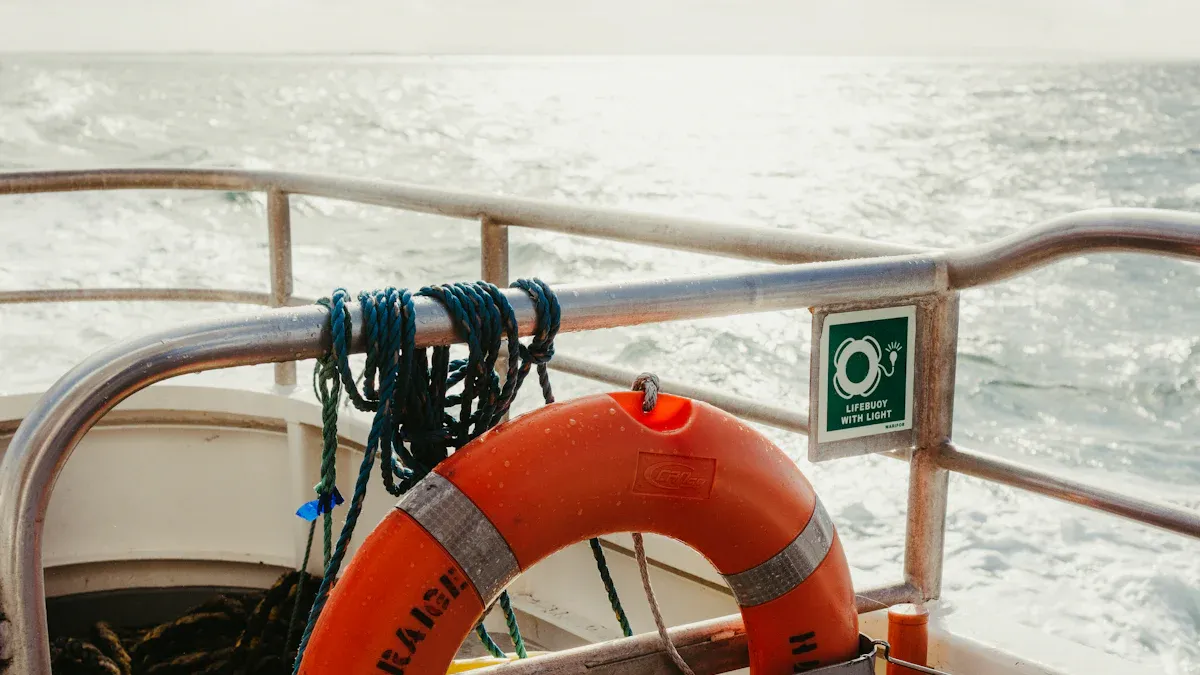
When you’re out on the water, safety should always be your top priority. Understanding boating safety can make a significant difference in your experience and help prevent accidents. Here are some essential safety tips every beginner should know.
Safety Gear
Having the right safety equipment on board is crucial. Here’s a list of the most common types of safety gear required by boating regulations:
Personal Flotation Devices (PFDs)
Safety kit
Skier-down flag
Fire extinguisher
Noise-making device
Emergency stop switch
Lights
First aid kit
Jump box
Stickers
Personal flotation devices, or PFDs, are vital. You must have at least two types of PFDs on board. Additionally, a safety kit is essential, and using a USCG-approved set ensures compliance with safety regulations. Remember, boats under 26 feet must have at least one B-1 type fire extinguisher, while those between 26 and 40 feet require either two B-1 types or one B-2 type.
Tip: Wearing a life jacket can reduce recreational boating deaths by up to 80%. Always make sure everyone on board has a properly fitted life jacket.
Weather Awareness
Weather can change quickly on the water, so staying informed is key. Here are some weather conditions that frequently lead to boating incidents:
Poor visibility due to fog, rain, or storms
Rough waters and strong currents
Night boating
Severe storms and heavy winds can make it hard to control your vessel, increasing the risk of collisions or capsizing. Fog can obscure your view of other boats and navigation markers, creating dangerous situations. Always check the weather forecast before heading out, and be prepared to change your plans if conditions worsen.
Emergency Procedures
Knowing what to do in an emergency can save lives. Here are standard emergency procedures recommended by the U.S. Coast Guard:
Keep the marina phone number accessible and program it into your mobile device.
Ensure all necessary emergency gear is onboard, including life jackets, a throwable flotation device, a fire extinguisher, a sound-producing device, an anchor, and navigation lights.
If you face mechanical problems, stay calm, stop the boat, contact the marina, and use the anchor if needed.
For medical emergencies, move the affected person to a secure area, call 911, and notify the marina.
If someone falls overboard, shout “Man Overboard!”, throw a flotation device, reduce speed, and assist them back onboard.
In case of fire, shut off the engine, use the fire extinguisher, move passengers away from the fire, and call the marina for guidance.
If weather conditions worsen, head toward shore, use navigation lights, and alert the marina of your location.
Regularly practicing emergency drills is essential. It builds muscle memory and boosts confidence, which are vital for quick and effective responses during actual boating emergencies.
By understanding these safety measures, you can enjoy your time on the water while keeping yourself and others safe. Remember, knowledge is your best tool for boating safety!
Preparation Tips for Beginners
Before you set sail, preparation is key to ensuring a smooth and enjoyable boating experience. Here are some essential tips to help you get ready for your adventure.
Pre-Trip Checklist
Creating a pre-trip checklist can significantly reduce the risk of boating incidents. It ensures you address all critical safety measures before you leave the dock. Here’s a handy list to guide you:
Safety gear, including Coast Guard mandated items.
Provisions for the day, such as extra water and food.
A knife for emergencies like a fouled propeller.
Extra lines for unexpected situations.
Basic cleaning supplies to manage spills.
An anchor and rode for safety and positioning.
Proper documentation required by state laws.
Chargers and cords for electronics.
Emergency repair items for quick fixes.
A cell phone for communication.
Using this checklist transforms safety checks into a habitual practice, enhancing your overall boating safety.
Packing Essentials
Packing the right items can make your trip more enjoyable. Here are some must-have essentials for your boating adventure:
Sunscreen: Protect your skin from sun exposure.
A hat: Keep the sun off your head.
Sunglasses: Improve visibility on the water.
A jacket: Be prepared for changing weather conditions.
Non-slip shoes: Prevent slipping on wet surfaces.
Water: Stay hydrated throughout the day.
A properly fitting lifejacket: Safety first!
A waterproof bag: Protect your valuables from water.
Don’t forget to bring along a first aid kit, snacks, and a camera to capture those unforgettable moments!
Boat Maintenance
Regular boat maintenance is crucial for safety and performance. Routine checks help you identify and address issues before they escalate. Here are some key maintenance tasks to keep in mind:
Maintenance Task | Importance |
|---|---|
Engine checks | Ensures optimal performance and identifies potential issues early. |
Oil checks | Maintains engine health and prevents damage from low oil levels. |
Hull fittings | Prevents leaks and ensures structural integrity. |
Leak checks | Identifies water ingress that could compromise safety. |
Electrical fittings | Ensures safety and functionality of onboard systems. |
By following these preparation tips, you’ll set yourself up for a safe and enjoyable boating experience. Remember, being well-prepared is the best way to enjoy your time on the water!
Boating can be a thrilling experience, but it comes with responsibilities. By mastering navigation, prioritizing safety, and preparing properly, you set yourself up for success on the water. Remember these key practices:
Always wear a life jacket.
Check the weather before you head out.
Follow navigation rules to avoid collisions.
Taking the time to learn these skills not only boosts your confidence but also enhances safety for everyone on board. With proper education, you’ll navigate the waters like a pro and enjoy every moment of your boating adventures!