Camping in the winter can be a magical experience, but staying warm is crucial for your comfort and safety. Cold weather can lead to serious risks like frostbite and hypothermia, making it vital to protect yourself. Proper clothing, including moisture-wicking layers and insulating materials, plays a significant role in keeping you cozy. When you stay warm, you can fully enjoy the beauty of the snowy outdoors without worrying about the chill.
Key Takeaways
Layer your clothing to manage heat and moisture. Start with a moisture-wicking base layer, add an insulating mid-layer, and finish with a waterproof outer layer.
Choose a sleeping bag with a temperature rating suitable for the conditions. Consider using a liner and a hot water bottle for added warmth.
Set up your campsite wisely. Look for wind protection and sunlight exposure to keep your tent warm.
Stay hydrated and eat warm meals. High-calorie foods help generate body heat, making it easier to stay warm.
Use hand warmers for extra warmth. They can be placed in your sleeping bag or pockets for quick heat during cold nights.
Clothing
Layering for Warmth
When you’re out camping in the cold, layering your clothes is one of the best strategies to stay warm. Think of it as building a protective fortress around your body. Each layer serves a specific purpose, helping you manage heat and moisture effectively. Here’s how to layer up:
Base Layer: This layer sits right against your skin. It wicks moisture away, keeping you dry and preventing chills. Look for materials like merino wool or synthetic fabrics that do a great job at this.
Mid Layer: This layer traps heat and provides insulation. Fleece or down jackets work well here. They keep you warm without adding too much bulk.
Outer Layer: Your outer layer protects you from wind and moisture. Choose a waterproof or water-resistant jacket to shield yourself from the elements.
To maximize warmth, don’t forget about your extremities! Here are some essential items to consider:
Hats and Beanies: A significant amount of body heat escapes from your head, so keep it covered.
Gloves and Mittens: Layering your handwear can help retain warmth. Mittens tend to be warmer than gloves since they allow your fingers to share heat.
Socks: Opt for wool or synthetic socks. They provide insulation and manage moisture effectively.
Insulating Materials
The materials you choose for your winter camping clothes can make a huge difference in how warm you feel. Here are some top insulating materials to consider:
PrimaLoft® Gold: This insulation offers an excellent warmth-to-weight ratio and is water-resistant, making it a favorite among outdoor enthusiasts.
Polartec® Alpha®: Known for its breathability, this material is perfect for active mid-layers, allowing you to stay warm without overheating.
Down Insulation: While it’s incredibly warm and lightweight, down loses its insulating properties when wet. It’s best for dry conditions.
Synthetic Insulation: This type retains warmth even when wet and dries quickly, making it a versatile choice for unpredictable weather.
When you layer your clothes properly and choose the right materials, you’ll stay warm and comfortable during your winter camping adventures. Remember, staying hydrated and nourished is also crucial. Warm fluids and high-energy foods help generate heat, keeping your body cozy in the cold.
Sleeping Bags

Choosing the Right Sleeping Bag
Selecting the right sleeping bag is crucial for staying warm during cold-weather camping. A good sleeping bag should have a temperature rating that matches the conditions you expect. Here’s a quick guide to help you choose:
Temperature Rating | Use Case |
|---|---|
Below 15°F | Winter camping |
0°F or below | Extreme cold camping |
10- or 15-degree | Milder climates |
0-degree | Wide range of winter conditions |
-20 to -40 degrees | High-alpine terrain, frigid temps, polar regions |
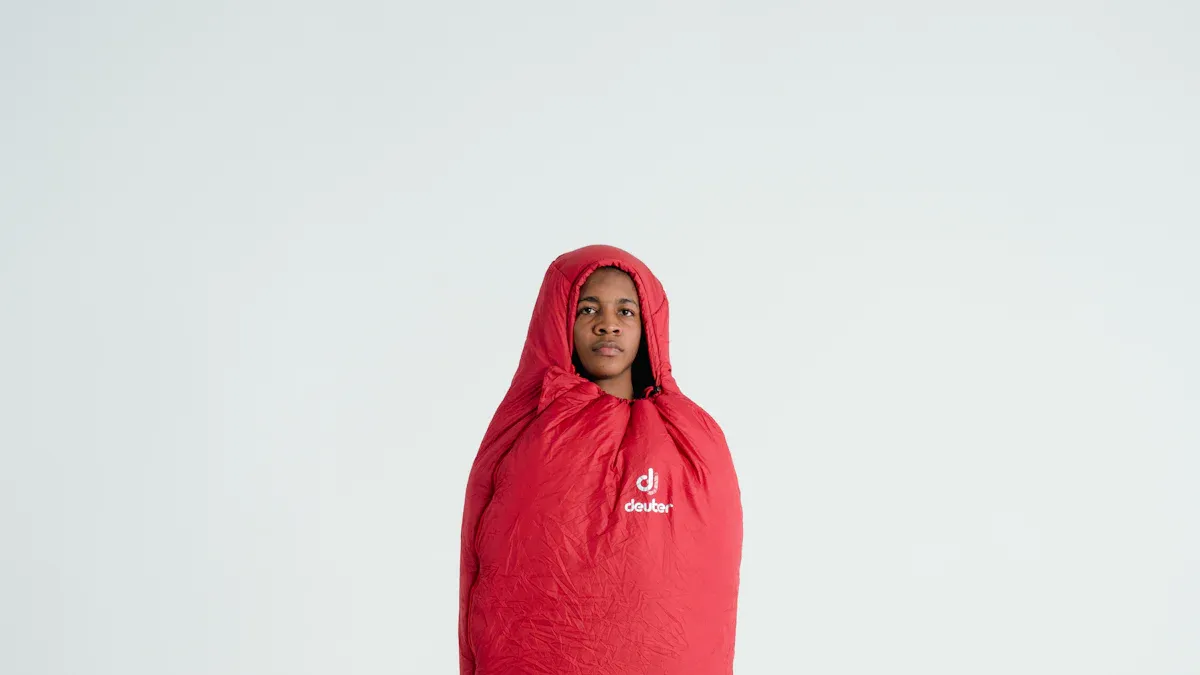
When you’re out in the cold, consider a mummy-style sleeping bag. These bags fit snugly around your body, minimizing air space and enhancing heat retention. In contrast, rectangular sleeping bags offer more room but can lead to heat loss, making them better suited for milder conditions.
Insulation Techniques
To maximize insulation in your sleeping bag, you can use several techniques. Here are some effective strategies:
Warm Water Bottles: Fill a bottle with hot water and place it in your sleeping bag before you crawl in. This adds extra warmth.
Airtight Bags: Sleeping in an airtight bag helps manage moisture and keeps your sleeping bag dry.
Double Mattresses: Use two mattresses, with the top one being air-filled for comfort. This adds insulation from the cold ground.
Extra Insulation: Bring a small piece of extra insulation to place under pressure points, like your hips and shoulders.
Additionally, consider using a reflective ‘space blanket’ or thermal reflective layer under your sleeping pad. This can help retain body heat. If you’re camping in a snowy area, piling snow against the tent walls can create an insulating barrier.
Lastly, don’t forget about sleeping bag liners. They can significantly reduce heat loss by creating a stable boundary layer next to your skin. Field tests show that while thin liners provide minimal insulation, those made with Polartec Alpha offer noticeable improvements in insulation and draft control.
By choosing the right sleeping bag and employing these insulation techniques, you’ll stay warm and cozy throughout your cold-weather camping adventure.
Campsite Setup
Tent Location
Choosing the right spot for your tent can make a big difference in keeping warm in a tent. Here are some key factors to consider when selecting your campsite:
Wind Protection: Look for natural barriers like trees or hills to shield against wind. This can help maintain a warmer environment inside your tent.
Sun Exposure: Set up your tent in a location that gets morning sunlight. This will help warm up your tent quickly as the sun rises.
Avoid Valleys: Cold air settles in valleys, making them colder than higher ground. Opt for a slightly elevated area to avoid the chill.
Stay Clear of Hazard Trees: Make sure to avoid unstable trees or branches that could fall, especially during windy conditions.
By paying attention to these factors, you can create a cozy camping experience even in the coldest weather.
Windbreaks and Insulation
Once you’ve chosen your tent location, consider adding windbreaks to enhance warmth. Tarps or snow walls can significantly reduce wind chill, preventing cold air from penetrating your campsite. Here are some effective methods to insulate your tent:
Reflective Materials: Use a space blanket under your sleeping pads to retain body heat. This simple addition can make a noticeable difference.
Banking Snow: Create dead air space by banking snow against your tent walls. This acts as an insulating barrier, keeping the cold at bay.
Seal the Tent: Ensure that your tent’s door is properly sealed to prevent drafts. Adjust vents to balance temperature and avoid condensation.
To further enhance insulation, consider layering materials on the tent floor. Here’s a quick overview of effective layers:
Layer (From Ground Up) | Material Example | Primary Purpose | Effectiveness |
|---|---|---|---|
Ground Layer | Ground Tarp / Footprint | Moisture barrier, puncture protection | Crucial for preventing dampness |
Base Insulation | Closed-Cell Foam Pad | Stops conductive heat loss | High (Core of the system) |
Reflective Layer | Mylar Emergency Blanket | Reflects radiant body heat | High (when placed correctly) |
By setting up your campsite thoughtfully and using these insulation techniques, you can enjoy a warm and comfortable camping experience, even when temperatures drop.
Additional Warmth Strategies
Food and Hydration
Eating the right foods and staying hydrated can significantly help you stay warm in cold weather. When camping, your body needs extra energy to generate heat. Here are some tips to keep in mind:
Hot Meals: Enjoy a warm meal before bed. This not only fills you up but also provides energy for heat generation during those chilly nights.
Larger Meals: Opt for larger meals. They offer more calories, which are essential for regulating your body temperature.
Snacks: Keep snacks like chocolate and cheese handy. These can be great for combating dropping temperatures at night.
Drinking warm liquids also plays a crucial role. A hot drink can warm you from the inside out, making it easier to stay warm in a tent overnight.
Using Hand Warmers
Hand warmers are a fantastic way to add extra warmth while camping. They come in various types, each with its own benefits. Here’s a quick look at some effective options:
Hand Warmer | Type | Duration | Temperature | Usability |
|---|---|---|---|---|
Hot To Go Reusable | Reusable | 20-40 minutes | N/A | Better for first aid than cold weather use. |
OCOOPA Rechargeable | Rechargeable | N/A | 10-20 degrees warmer without sleeve | Not ideal for skiing or climbing due to size. |
Zippo 12-Hour | Refillable fuel | 12 hours | 105 degrees | Great for long trips, requires lighter fluid and applicator. |
Beskar 7800mAh Rechargeable | Rechargeable | N/A | 128 degrees | Good for short trips, also charges devices, heats up quickly. |
You can use disposable hand warmers in your sleeping bag for extra warmth. They provide 6–12 hours of steady heat, making them perfect for long nights. Additionally, keep your clothing for the next day inside your sleeping bag. This way, they warm up with your body heat, making it easier to stay warm in a tent when morning comes.
By combining these food and hydration strategies with effective hand warmers, you can create a cozy environment that helps you enjoy your camping experience, even in the coldest conditions.
Camping in cold weather can be a fantastic adventure if you stay warm and safe. Remember these key strategies:
Layer your clothing to manage warmth and moisture effectively.
Choose the right sleeping bag with an appropriate temperature rating.
Set up your campsite wisely, considering wind protection and insulation.
By following these tips, you can enjoy your time outdoors without the chill getting in the way. Always pack extra layers and keep your body fueled with warm meals and hydration. Staying warm is easier when you prepare ahead of time. So, gear up, embrace the cold, and make the most of your winter camping experience!