

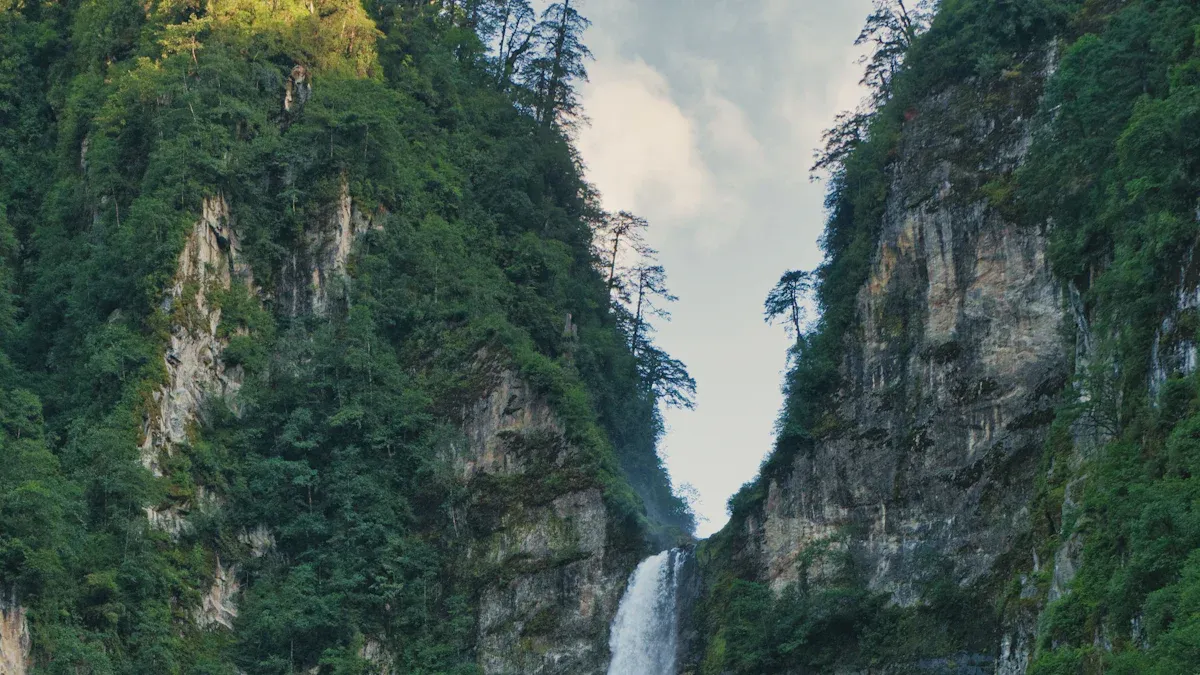
When you venture into nature, your actions can significantly impact the environment. The Leave No Trace principles guide you to enjoy the outdoors responsibly. By promoting informed outdoor ethics, these principles help preserve natural spaces for future generations. Studies show that adopting Leave No Trace practices minimizes human impact on ecosystems. This approach ensures that you can engage in recreational activities while protecting the beauty and integrity of our natural world.
Key Takeaways
Plan your camping trip to minimize environmental impact. Research your destination and prepare for conditions.
Always pack out what you bring in, including trash and food scraps. This helps keep nature clean.
Use durable surfaces like rock or gravel for camping. This protects fragile ecosystems from damage.
Respect wildlife by keeping a safe distance and avoiding feeding them. This ensures their safety and well-being.
Be considerate of other campers. Follow quiet hours and keep shared spaces clean for a positive experience.
Leave No Trace Planning
Importance of Planning
Planning your camping trip is essential for minimizing your environmental impact. When you prepare ahead, you reduce the chances of making mistakes that could harm nature. A well-thought-out plan helps you understand the area you will visit and the resources you will need. This approach not only protects the environment but also enhances your overall experience in the great outdoors.
Tips for Effective Preparation
To ensure a successful camping trip, follow these three recommended steps:
Research Your Destination: Understand the area you plan to visit. Look into the trails, weather conditions, local wildlife, and any regulations that apply. This knowledge helps you make informed decisions and stay safe.
Check Seasonal Conditions: Monitor weather forecasts leading up to your trip. Adjust your plans based on expected conditions. Being prepared for rain, snow, or extreme heat can make a significant difference in your comfort and safety.
Know Your Limits: Be realistic about your physical readiness. Choose trails and activities that your group can manage comfortably. Pushing beyond your limits can lead to accidents and negatively impact your experience.
By following these tips, you can embrace the Leave No Trace principles effectively. Planning ahead allows you to enjoy nature while preserving its beauty for future visitors. Remember, every small effort counts in protecting our environment.
Travel on Durable Surfaces

Understanding Durable Surfaces
When you camp, choosing durable surfaces is crucial for protecting ecosystems. Durable surfaces include rock, gravel, and established trails. These surfaces withstand foot traffic better than fragile areas like vegetation or sandy soils. By using durable surfaces, you help minimize soil compaction and prevent damage to plant life. Research shows that using these surfaces significantly reduces ecological impact. For example, here’s a comparison of different durable surfaces:
Durable Surface Type | Description | Ecological Impact |
|---|---|---|
Rock | Durable and resistant to trampling | Minimal impact on vegetation |
Gravel | Provides a stable surface | Reduces soil compaction |
Snow | Natural and non-invasive | Prevents soil erosion |
Best Practices for Camping Locations
Selecting the right camping location is essential for minimizing your environmental footprint. Here are some best practices to follow:
Choose established campsites or designated areas.
Use durable surfaces like rock, gravel, or packed dirt.
Avoid fragile ecosystems such as vegetation or sandy soils.
By following these guidelines, you can support natural recovery and ecological functions. Always remember to respect the land and leave it as you found it. This approach aligns with the Leave No Trace principles, ensuring that future visitors can enjoy the same beautiful landscapes you do.
When you camp responsibly, you contribute to the preservation of our natural world. Your choices matter, and every small effort counts in protecting the environment.
Proper Waste Disposal
Types of Waste
When you camp, you generate various types of waste. Understanding these types helps you manage them effectively. Here’s a breakdown of common waste types and their environmental impacts:
Type of Waste | Description | Environmental Impact |
|---|---|---|
Solid Waste | Day-to-day trash like food wrappers and disposable items. | Can attract wildlife and create unpleasant odors if not disposed of properly. |
Recyclable Materials | Items like plastic bottles and aluminum cans that can be recycled. | Reduces landfill waste and promotes recycling efforts. |
Organic Waste | Compostable items such as food scraps and yard waste. | Can be composted to enrich soil, reducing waste in landfills. |
Liquid Waste | Greywater from sinks and blackwater from toilets. | Improper disposal can lead to health hazards and environmental contamination. |
Hazardous Waste | Items like batteries and chemical cleaners that require special disposal. | Can cause significant environmental harm if not disposed of correctly. |
Waste Disposal Methods
You can take several steps to dispose of waste responsibly while camping. Here are some effective methods:
Use designated garbage and recycling bins at camping sites. Always segregate recyclable materials from non-recyclable waste.
Pack out all trash, including food scraps and wrappers. If you bring it in, take it out.
Use cat holes for human waste. Dig them 6-8 inches deep and 4-6 inches in diameter, at least 200 feet from water and trails. Properly dispose of toilet paper by burying it in a cat hole or packing it out as trash.
Compost organic waste in designated areas if available. This practice enriches the soil and reduces landfill waste.
Dispose of hazardous materials properly by taking them to appropriate disposal facilities. This action prevents harmful substances from contaminating the environment.
By following these waste disposal methods, you contribute to the Leave No Trace principles. Your efforts help protect the environment and ensure that future visitors can enjoy the beauty of nature.
Leave What You Find
Respecting Natural Resources
When you explore natural areas, you encounter various resources that contribute to the beauty and balance of the ecosystem. Respecting these resources is vital. Removing plants, rocks, or cultural artifacts can disrupt the environment and harm wildlife. For example, deforestation leads to the loss of native land for indigenous peoples, disrupting their traditional lifestyles. Additionally, disturbing wildlife or removing natural objects can upset ecological systems. By leaving everything as you found it, you help maintain the delicate balance of nature.
How to Leave Areas Undisturbed
To ensure that natural areas remain undisturbed, follow these guidelines:
Plan ahead and prepare: Research your destination and understand the local rules.
Travel and camp on durable surfaces: Stick to established trails and campsites to minimize impact.
Dispose of waste properly: Pack out all trash and dispose of waste in designated areas.
Leave what you find: Avoid taking natural or cultural items with you.
Minimize campfire impact: Use a camp stove instead of a fire when possible.
Respect wildlife: Observe animals from a distance and do not feed them.
Be considerate of other visitors: Share spaces and keep noise levels down.
By following these steps, you help preserve the beauty of nature for future generations. Leaving natural objects undisturbed allows ecosystems to thrive and maintain ecological balance. Cultural artifacts hold significant historical value; preserving them ensures future generations can connect with their heritage. Your actions matter, and every small effort contributes to the Leave No Trace principles.
Minimize Campfire Impact
Safe Fire Practices
Campfires can enhance your camping experience, but they also pose risks. You must practice fire safety to protect the environment and yourself. Here are some essential safe fire practices:
Choose a safe location: Set up your fire at least 200 feet away from water sources and under a clear sky, away from overhanging branches.
Use established fire rings: These help contain the fire and minimize damage to the surrounding area.
Keep fires small: A smaller fire is easier to control and reduces the risk of wildfires.
Never leave a fire unattended: Always have someone watch the fire, and fully extinguish it before leaving.
Improper campfire practices can lead to significant risks. Here’s a summary of the main risks associated with campfires:
Risk Type | Description |
|---|---|
Environmental Degradation | Campfires can degrade the natural appearance of wilderness areas due to overuse and firewood collection. |
Wildfire Risk | Improper campfire practices are a significant cause of wildfires, threatening outdoor spaces. |
Lasting Environmental Impact | Campfires can cause lasting impacts on the environment, necessitating careful management of fire practices. |
Alternatives to Campfires
You can enjoy cooking and warmth without traditional campfires. Here are some sustainable alternatives:
Portable stoves: These are compact and efficient. Canister stoves are convenient for cooking meals.
Solar ovens: These eco-friendly devices use sunlight for cooking, making them safe and sustainable.
Layering clothing: Instead of relying on a fire for warmth, wear multiple layers to stay comfortable in cooler temperatures.
Using these alternatives not only reduces your environmental impact but also enhances your camping experience. Improved cookstoves, for example, offer high fuel efficiency and lower emissions compared to traditional campfires. This means you can enjoy your time outdoors while protecting the environment.
By minimizing campfire impact, you contribute to the Leave No Trace principles. Your choices matter, and every small effort counts in preserving our natural spaces.
Respect Wildlife
Understanding Wildlife Behavior
When you explore natural areas, remember that wildlife needs space to thrive. Research shows that human presence can significantly alter wildlife behavior, especially in camping environments. Increased human activity, particularly on weekends, leads to changes in wildlife activity patterns and habitat use. For instance, some animals may reduce their activity or avoid certain areas altogether due to the presence of humans. This phenomenon, often referred to as the “weekend effect,” highlights the importance of respecting wildlife by keeping your distance.
How to Observe Wildlife Responsibly
To enjoy wildlife while minimizing your impact, follow these tips:
Maintain Safe Distances: Keep at least 25 yards (75 feet) from most wildlife. For predators like bears and wolves, maintain a distance of 100 yards (300 feet). This distance helps prevent stress for the animals and keeps you safe.
Limit Interactions: Avoid feeding animals or making loud noises. These actions can disrupt their natural behaviors and lead to dangerous situations.
Stay on Marked Trails: Walking off-trail can damage habitats and disturb animal dwelling sites. Stick to established paths to minimize your impact.
Use Technology Wisely: If you want to take photos, use zoom lenses instead of getting too close. Avoid using flash, as it can startle animals.
Educate Yourself: Learn about local wildlife and their behaviors. Understanding how animals interact with their environment can enhance your experience and promote responsible observation.
Here’s a table summarizing the recommended distances for observing different types of wildlife:
Wildlife Type | Recommended Distance |
|---|---|
General Wildlife | 25 yards (75 feet) |
Predators (e.g., bears, wolves) | 100 yards (300 feet) |
Humpback Whales | 100 yards |
Killer Whales | 200 yards |
North Atlantic Right Whales | 500 yards |
Sea Turtles | 50 yards |
Seals and Sea Lions | 50 yards |
By following these guidelines, you can enjoy observing wildlife while ensuring their safety and well-being. Your actions matter, and every small effort contributes to the Leave No Trace principles.
Considerate Camping
Importance of Sharing Spaces
When you camp, sharing spaces with other visitors enhances everyone’s experience. It fosters community involvement and promotes eco-friendly practices. By working together, you contribute to environmental protection. Responsible campsite planning minimizes negative impacts like habitat destruction and soil erosion. This approach ensures that camping spaces are designed sustainably, which is crucial for protecting natural resources.
Tips for Being a Good Neighbor
Being considerate in shared camping spaces helps maintain a positive atmosphere. Here are some effective tips to ensure you are a good neighbor:
Respect Quiet Hours: Lower your voice during designated quiet hours. This consideration allows everyone to rest peacefully.
Keep Your Site Clean: Maintain a tidy campsite. A clean area reflects pride and respect for the community.
Follow Pet Policies: Keep pets leashed and clean up after them. This practice prevents disturbances and ensures safety.
Be Courteous in Shared Spaces: Clean up after yourself in communal areas. Respect others’ time and space.
Park and Drive Carefully: Follow parking rules and drive at safe speeds. This action maintains safety for everyone.
Balance Friendliness with Boundaries: Greet your neighbors but respect their personal space. This balance fosters a friendly environment.
Adhere to the Park’s Rules: Follow all park rules. This adherence ensures a safe and enjoyable experience for all visitors.
By following these guidelines, you help create a welcoming atmosphere in nature. Remember, considerate camping not only enhances your experience but also contributes to the overall enjoyment of fellow campers. Your actions matter, and every small effort counts in promoting a culture of respect and sustainability in the great outdoors.
Embracing Leave No Trace principles is essential for protecting our natural spaces. By planning ahead, choosing durable surfaces, and disposing of waste properly, you can significantly reduce your environmental impact. Remember to respect wildlife and share spaces with fellow campers.
Here are some key takeaways to keep in mind:
Always pack out what you bring in, including trash and food scraps.
Use a camp stove instead of an open fire to minimize your impact.
Store food securely to prevent attracting wildlife.
By following these guidelines, you contribute to a healthier environment. Together, we can make a big difference in preserving the beauty of nature for future generations.
