

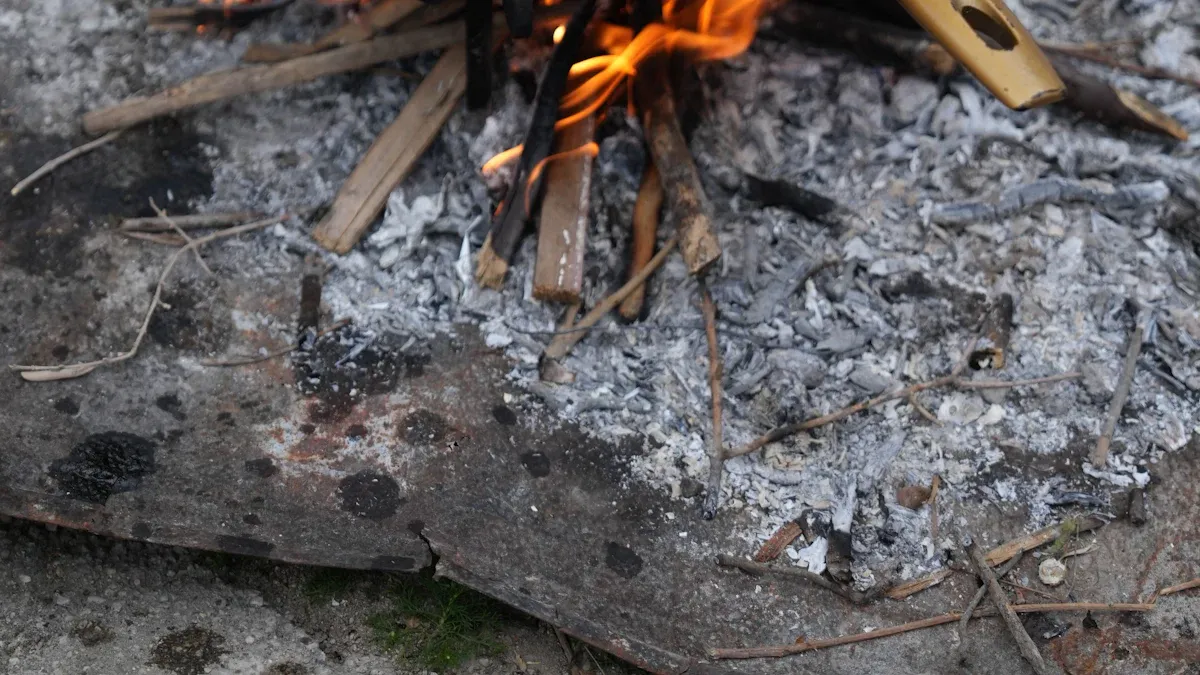
Camping offers a fantastic escape into nature, where you can enjoy fresh air and adventure. With around 40 million Americans camping each year, mastering camping basics is essential. Shelter, cooking, and safety play a crucial role in enhancing your camping experience. Prioritize comfort and preparation for a memorable outdoor trip!
Key Takeaways
Choose the right shelter based on your camping environment to enhance comfort and safety.
Pack essential cooking gear and plan meals to ensure enjoyable and safe food preparation.
Prioritize safety by understanding wildlife behavior and keeping food secured to avoid attracting animals.
Shelter Basics
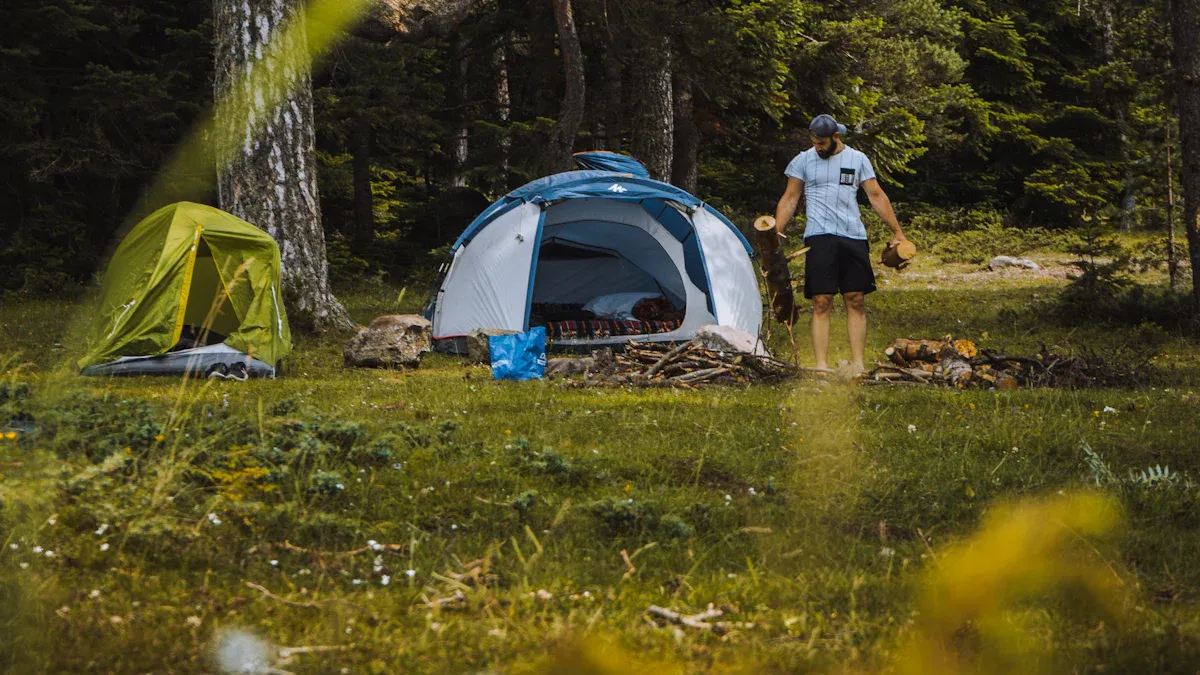
When you head out for a camping adventure, choosing the right shelter is one of the most important decisions you’ll make. A good shelter not only protects you from the elements but also enhances your overall camping experience. Whether you’re facing rain, wind, or the chill of night, the right shelter can make all the difference.
Shelter Selection
You have several options when it comes to camping shelters. Here are some common types you might consider:
Natural Shelters: These include caves, overhangs, and fallen trees. They offer great protection but may not always be available.
Temporary Shelters: Tarps can be set up in various configurations, like Lean-To or A-Frame styles. Debris huts are also a popular choice for those looking to blend in with nature.
Long-Term Shelters: If you’re planning an extended stay, consider wigwams, wickiups, or round lodges. These structures provide more comfort and stability.
Specialized Shelters: For extreme conditions, quinzhees and snow caves are excellent choices. They can withstand heavy snow and fierce winds.
When selecting your shelter, think about the environment you’ll be in. Different climates require different gear. For example, if you’re camping in the desert, lightweight and breathable materials are essential. In contrast, mountain camping demands high-quality sleeping bags and waterproof gear. Here’s a quick reference table to help you choose:
Camping Climate | Average Temperature Range | Recommended Gear |
|---|---|---|
Desert | 75°F – 100°F (23°C – 38°C) | Lightweight, breathable clothing, wide-brimmed hat, tent with good ventilation |
Mountain | 20°F – 60°F (-6°C – 16°C) | High-quality sleeping bags and warm clothing, waterproof gear, proper layering to stay warm |
Coastal | 50°F – 80°F (10°C – 27°C) | Corrosion-resistant materials, waterproof tents and tarps, insect repellent |
Forested | 45°F – 75°F (7°C – 24°C) | Waterproof gear, sturdy tarps to protect against rain, lightweight, quick-drying clothing |
Setting Up Shelter
Once you’ve selected your shelter, it’s time to set it up properly. Here are some steps to ensure a successful setup:
Pre-trip preparation: Practice pitching your tent at home. Make sure you have all the necessary gear.
Campsite selection: Choose a site that minimizes environmental impact and maximizes protection from the weather. Look for natural windbreaks like trees or hills.
Pitching tips: Follow specific techniques to simplify setup and enhance tent stability. For instance, use sturdy stakes and guylines to secure your tent against strong winds.
Guyline guidance: Understand how to properly use guylines to keep your tent stable during windy conditions.
Remember to camp at least 200 feet from lakes and streams to reduce risks of flooding and wildlife encounters. Also, avoid low areas where water can pool. By taking these precautions, you can ensure a safe and comfortable camping experience.
Proper shelter setup impacts your overall safety and comfort. Choosing a flat, well-drained area for your tent minimizes discomfort from uneven ground. Clearing sharp objects from the campsite prevents damage to your tent and enhances safety. Laying down a ground tarp protects your tent from moisture and wear, contributing to a more enjoyable experience.
Cooking Essentials
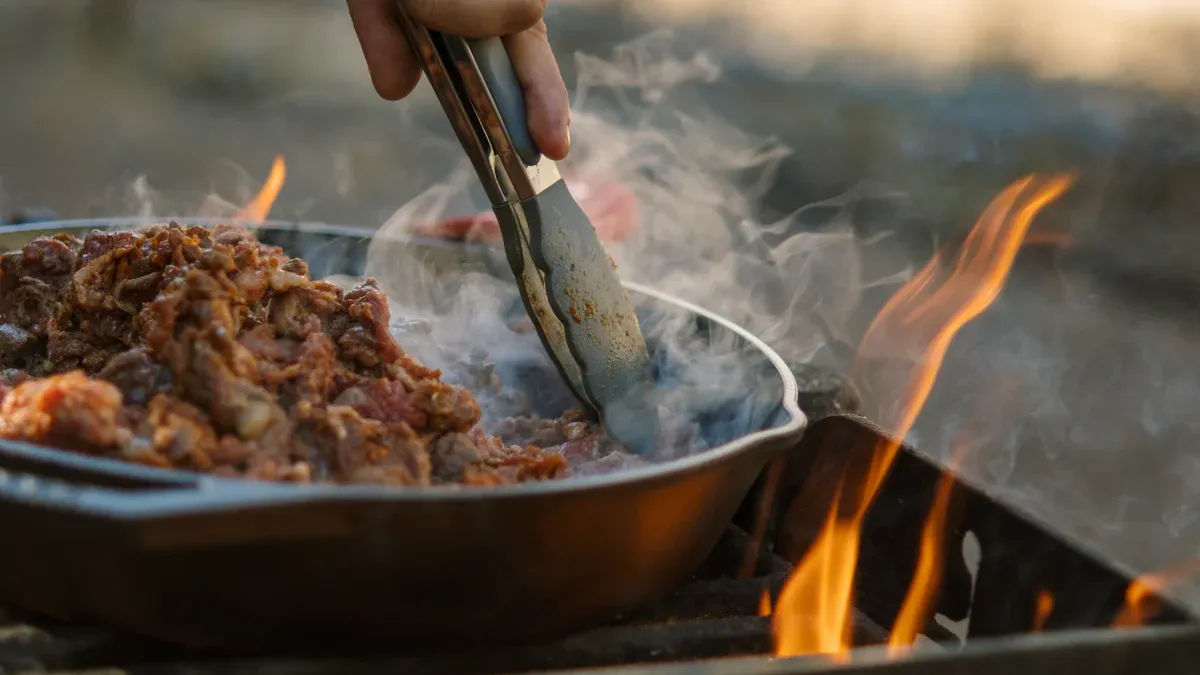
When you’re out in the wild, cooking becomes an essential part of your camping experience. Not only does it provide nourishment, but it also brings a sense of comfort and community. To make your cooking adventures enjoyable, you need the right gear and safe practices.
Cooking Gear
Packing the right cooking gear can make all the difference. Here’s a list of essential items you should consider bringing:
Stove
Fuel (propane or charcoal)
Lighter or matches
Pots (1 small, 1 medium)
Pan (1 small, 1 medium)
Plates and bowls
Utensils
Stirring spoon
Mugs for coffee and other beverages
Cooler
Dish soap
Garbage bags
Having these items ensures you can prepare meals efficiently and enjoyably. You might wonder whether to use a campfire or a stove. While campfires offer a traditional experience, they can be slow and hard to control. On the other hand, camp stoves provide fast cooking and precise temperature control, making them a safer option, especially during fire bans.
Safe Cooking Practices
Safety is key when cooking outdoors. Here are some best practices to keep in mind:
Plan Your Meals: Meal planning helps you avoid food waste and ensures you have everything you need.
Keep Your Hands Clean: Always wash your hands before handling food. Bring soap and hand sanitizer for hygiene.
Store and Cook Foods at the Right Temperature: Keep cold foods cold and cook hot foods to safe temperatures to prevent foodborne illnesses.
To avoid attracting wildlife, follow these tips for food and water storage:
Cook away from your campsite to reduce scent attraction.
Use odor-proof bags to conceal food smells.
Store food in your car or designated metal lockers if available.
By following these cooking essentials, you can enjoy delicious meals while keeping your camping adventure safe and fun!
Outdoor Safety Tips
When you venture into the great outdoors, safety should always be your top priority. Having the right safety gear can make a significant difference in your camping experience. It not only prepares you for emergencies but also enhances your overall adventure.
Safety Gear
Packing essential safety gear is crucial for any camping trip. Here’s a checklist of items you should consider bringing along:
Fire Safety Equipment
First Aid Kit
Campsite Lighting Equipment
Shelter and Sleeping Equipment
Navigation and Communication Tools
Cooking and Food Safety Equipment
Water Safety Equipment
Personal Protective Gear
Campsite Security Measures
A well-stocked first aid kit is vital for managing injuries. Choose high-quality kits from reliable brands to ensure you have what you need. Consider the unique challenges of remote locations when preparing your kit. For example, pack strategically for weight and space efficiency. This preparation contributes to your overall safety during outdoor activities.
Immediate first aid can stabilize injuries and prevent minor issues from escalating into major emergencies. A well-stocked first aid kit enhances safety and ensures enjoyable outdoor adventures. Regular maintenance and customization of your kit are key to effectively managing potential injuries.
Wildlife Awareness
Understanding wildlife is essential for a safe camping experience. Here’s a table of common wildlife encounters you might face while camping, along with safety tips:
Animal | Description | Safety Tips |
|---|---|---|
Deer | Often seen grazing in open areas or along trails. | Watch from a distance; do not approach or feed. |
Squirrels | Energetic creatures that search for food. | Secure food and trash to prevent raiding. |
Coyotes | Adaptable animals found in various habitats, including campgrounds. | Know how to manage encounters if they arise. |
Skunks | Can be fascinating to observe but may invade campsites. | Keep food secured to avoid attracting them. |
Raccoons | Small animals that can become a nuisance if they invade your campsite. | Take precautions to avoid unwanted encounters. |
To minimize the risk of wildlife encounters, follow these tips:
Store food in bear-resistant containers or hang it high in a tree.
Use odor-proof bags for trash and pack out all waste.
Cook food at least 200 feet away from your tent to reduce odors.
Keep your tent zippers closed at all times.
Research animal behaviors to understand how to avoid encounters.
Keeping noise levels low helps prevent disturbing wildlife. This reduces stress on animals and avoids dangerous encounters. Proper food storage prevents animals from associating humans with easy meals, which can lead to problematic behaviors.
By being aware of your surroundings and following these safety tips, you can enjoy a safer camping experience. Remember, preparation is key to ensuring your adventure is both fun and secure!
Camping can be an amazing adventure when you understand the basics. Remember to choose the right shelter, pack essential cooking gear, and prioritize safety. Here are some key takeaways:
Use handwashing stations before handling food.
Store food properly to avoid attracting wildlife.
Know your campsite amenities and emergency routes.
By applying these tips, you’ll enhance your outdoor experience and create lasting memories. So, gear up and enjoy your next camping trip!
FAQ
What should I pack for a camping trip?
Pack essentials like a tent, sleeping bag, cooking gear, food, and safety equipment. Don’t forget personal items like clothing and toiletries!
How do I choose a campsite?
Look for flat, dry ground away from water sources. Ensure it’s safe from falling branches and has access to firewood.
What are some tips for staying safe while camping?
Stay aware of your surroundings, keep food secured, and have a first aid kit handy. Always inform someone about your plans.
