

Compact binoculars make safari travel easier, but eyewear adds another layer to the fit. Glass wearers need enough eye relief, adjustable eyecups, and a focused view that doesn’t require pressing close to the lenses. I compare the available specifications and practical trade-offs here, from pocketable 10×25 models to rangefinding binoculars built for fieldwork.
Magnification matters, yet stability, close focusing, field of view, and comfortable eye spacing are just as important. The smallest pair may be easier to carry, while a 10×42 model can appear more balanced during long nature walks. None of the specifications alone confirms full compatibility with every pair of glasses, so I treat that as a separate fit concern.
The Picks In Brief
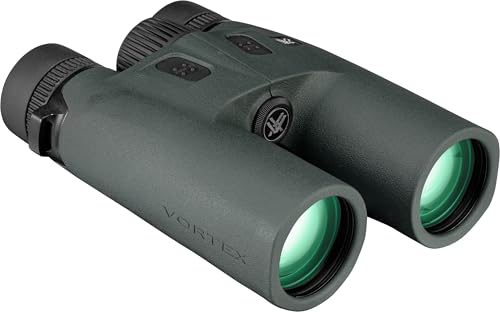
Vortex Ranger HD 3000 Rangefinding Binoculars

Vortex Diamondback HD 10×42 Binoculars

Vortex Triumph HD 10×42 Binoculars

Adasion 15×56 Binoculars with Phone Adapter

Steiner Safari UltraSharp 10×26 Binoculars

Aurosports 15×56 High-Power Binoculars

Aurosports 10×25 Compact Binoculars
The Details Behind The Selections
The Ranger HD 3000 adds rangefinding to the familiar 10×42 format, making it more specialized than the Vortex Diamondback HD. A laser rangefinder measures distance to a selected target, which can reduce guesswork during hunting or archery. That combination favors field users who value distance data over a pocket-sized profile.
For wildlife travel, the red OLED display and fully multi-coated optics should support readable ranging and a clear image. The GlassPak harness helps protect the binoculars and permits quick access, although it adds more to carry than a simple compact model. Eyewear compatibility remains uncertain from the listed specifications alone.
Notable Upsides
- Laser ranging adds practical distance information during precise field tasks.
- The 10×42 format balances magnification with a relatively useful field of view.
- A red OLED display aids range reading in dim or visually complicated settings.
- Fully multi-coated lenses support brightness and contrast in outdoor conditions.
Things To Consider
- Its 10×42 size is less suitcase-friendly than a 10×25 or 10×26 binocular.
- Owners should keep the rangefinder and optical surfaces dry, and use the harness during rough travel.
- Listed details do not confirm eye-relief measurements for glasses.
Technical Sheet
Built With In Mind
Hunters and archers who need ranging data benefit more from this configuration than casual sightseers.
Consider Something Else When
The Aurosports 10×25 Compact Binoculars suit travelers who prioritize pocketability over rangefinding and field optics.
The Diamondback HD occupies the practical middle ground between a travel binocular and a high-power instrument. Its 10x magnification and 42 mm objective lenses suit birding, cruise excursions, and landscape walks where a wider view is easier to scan. Compared with the Ranger HD 3000, it omits rangefinding and keeps the focus on conventional viewing.
Select glass elements are intended to improve resolution, color fidelity, and control of chromatic aberration, which is color fringing around high-contrast edges. Fully multi-coated lenses aid light transmission, a useful attribute in shaded woodland. Eyeglass users still need adequate clearance, and the available data doesn’t provide a measured eye-relief figure.
A Strong Showing
- The 10×42 combination supports both detail recognition and scene scanning.
- Multi-coated glass should produce a brighter view during dawn walks and shaded sightseeing.
- Color-focused glass elements are useful for plumage, foliage, and distant scenery.
- Its conventional design avoids controls and complexity associated with the Ranger HD 3000.
Trade Offs
- The body is likely more substantial than a true pocket binocular during a long walking day.
- There’s no listed laser rangefinding function for hunting or archery distances.
- Routine lens cleaning and a protective case are sensible for travel use.
Feature Snapshot
The Right Fit
Birders, cruise travelers, and general sightseers benefit from the balanced 10×42 format.
Another Choice May Suit
The Steiner Safari UltraSharp 10×26 Binoculars are a stronger fit for travelers who value compact packing over maximum light gathering.
The Triumph HD puts more emphasis on fit and everyday usability than the Diamondback HD. Adjustable eyecups can alter the space between the eye and lens, while the diopter focuses one barrel to compensate for differences between the wearer’s eyes. A diopter isn’t a prescription correction, but it can make a non-prescription binocular more comfortable for many people.
That makes this model worth close consideration for glasses wearers, though the adjustable eyecups may have to clear the frame. The 10×42 optics remain better suited to extended birding and nature walks than to minimal luggage space. Its water, fog, and shock resistance also supports use in changing weather.
Good Reasons To Consider
- Adjustable eyecups provide control over the eye-to-lens spacing.
- The diopter helps balance focus between the wearer’s eyes.
- Multi-coated lenses support edge clarity and light transmission.
- Water, fog, and shock resistance suit variable outdoor conditions.
- The familiar 10×42 layout remains versatile for wildlife and scenery.
Small Caveats
- Adjustable eyecups may need careful positioning around thick frames.
- The listed 10×42 size is less travel-compact than the Steiner 10×26.
- Owners commonly keep such optics in their case to protect the eyecups and lenses.
Key Product Details
Made For
Glasses wearers who value adjustable eye spacing and focus controls get the most relevant feature set here.
Where Another Pick Shines
The Aurosports 10×25 Compact Binoculars fit travelers who prefer minimal size over a larger 10×42 optical system.
Adasion takes a specialized route with 15x magnification, 56 mm objective lenses, and an included phone adapter and tripod. That magnification can reveal distant birds and landscape details, but it also magnifies hand movement, so a tripod becomes more relevant during extended viewing. The setup is more stationary than the 10x models elsewhere in this roundup.
The phone adapter may suit nature enthusiasts who want to connect a phone to the optical view, although image capture results depend on phone and adapter compatibility. For glasses wearers, the large eyecup design and physical size may allow some frames to remain in place, but the supplied data doesn’t establish a measured eye-relief range.
Notable Gains
- 15x magnification brings distant subjects closer for scenic and wildlife observation.
- Large 56 mm objective lenses suit gathering more light in outdoor conditions.
- The included tripod helps steady the high-power view during long observations.
- A phone adapter adds a potential route for shared or recorded views.
Where It May Fall Short
- 15x power can make handheld viewing tiring on uneven trails.
- The larger body and accessories are less convenient than compact 10x models.
- Phone support varies by device, and owners should keep both optical and adapter contacts clean.
- Glasses compatibility can vary with frame shape.
Core Details
Who It Suits Best
Stationary wildlife viewers and landscape enthusiasts benefit most from the 15×56 configuration.
Reach For A Different Pick When
The Vortex Diamondback HD 10×42 Binoculars suit moving travelers who prefer an easier handheld view.
The Safari UltraSharp 10×26 directly addresses the carry problem that limits many full-size binocular choices. Its 26 mm objective lenses keep the optical package smaller than the 10×42 models, making it more realistic for a daypack, carry-on, or guided excursion. Tenfold magnification still provides useful detail for birds, performers, and nearby scenery.
Steiner describes the body as robust and waterproof, two relevant traits for travel through rain, coastal spray, or unpredictable paths. Compared with the Aurosports 10×25, the Steiner uses larger objective lenses and may appear brighter in open shade. The trade-off is that compact 10x optics gather less light than a 42 mm model.
Positive Takeaways
- The 10×26 format balances useful magnification with easier packing.
- Waterproof construction suits travel in wet or coastal environments.
- The robust body is better aligned with active excursions than a lightweight indoor optic.
- Steiner positions the model for colorful nature and sports viewing.
A Few Limitations
- The 26 mm objectives gather less light than 42 mm alternatives.
- Compact dimensions can feel less substantial during long wildlife sessions.
- Cleaning and a protective case remain important during airline and outdoor travel.
Quick Facts
Travel Ready For
Frequent flyers, walking-tour participants, and nature travelers benefit from the smaller 10×26 format.
A Better Fit Elsewhere
The Vortex Triumph HD 10×42 Binoculars suit people who prefer larger optics and adjustable viewing controls.
The Aurosports 15×56 is built around high magnification and a listed 225-foot field of view at 1,000 yards. Field of view describes the width of the scene visible at a specific distance, so a wider figure can make subjects easier to locate before magnification narrows the view. That balance is useful for fixed-position birding from a cruise ship, hide, or distant overlook.
Its 56 mm objective lenses offer substantial light-gathering potential, though the 15x power will expose small tremors during handheld use. This is less concerning for a safari vehicle or seated wildlife watch than on a long hiking trail. Eyewear fit still varies, and the available information doesn’t provide a measured eye-relief specification.
Where It Helps
- 15x power reveals small details in distant birds and landscape features.
- The listed field of view makes target acquisition more manageable than a narrow ultra-high-power view.
- Large 56 mm objective lenses support outdoor light gathering.
- The fixed-position format suits cruise decks, safari vehicles, and scenic overlooks.
Potential Drawbacks
- 15x magnification is less comfortable for extended handheld viewing.
- The large body is a substantial addition to travel luggage.
- Owners may need support from a tripod or a stable resting surface.
Who Will Love This
Travelers who observe from stable locations and want detailed long-distance views fit this profile.
Swap It Out When
The Steiner Safari UltraSharp 10×26 Binoculars suit walking travelers who value compact size over 15x detail.
The Aurosports 10×25 is the smallest conventional option here, and that simplicity matters for concerts, cruises, and city sightseeing. A 25 mm objective keeps the body compact, while 10x magnification adds enough detail to identify many birds or watch a distant performer. It is easier to keep in a jacket pocket than any 10×42 or 15×56 model.
Compact objective lenses gather less light, so dim birding and deep woodland may produce a darker view than larger binoculars. The broad viewing context is useful for locating moving subjects, while the small size reduces the appeal for long-distance observation. The listed details do not establish eye-relief dimensions for different glasses.
Useful Touches
- The 10×25 format packs easily into small bags and jacket pockets.
- Tenfold magnification is convenient for birds, performers, and nearby attractions.
- A broad viewing context makes moving subjects easier to locate.
Minor Gripes
- Smaller objective lenses can produce a dimmer image in low light.
- Limited detail may become noticeable against distant landscape subjects.
- A soft case and routine lens cleaning help protect frequently used travel gear.
On-The-Go For
Minimal-packing travelers, cruise passengers, and concertgoers get the most benefit from its compact proportions.
Not Your Match When
The Aurosports 15×56 High-Power Binoculars suit stationary viewers who prioritize long-distance detail over pocket size.
Choosing Binoculars That Work With Eyewear
Eye relief is the distance between the eyepiece and the eye, and adequate clearance helps glasses remain visible through the entire field of view. None of the available specifications supplies that measurement consistently, so glasses wearers should examine the shape of the eyecups and the available frame clearance. Adjustable eyecups and a diopter offer more control, but neither is a substitute for prescription correction.
Magnification determines how much detail appears larger, while objective-lens diameter affects light gathering and physical bulk. A 10×25 model is easy to carry, 10×26 remains compact with a little more light-gathering capacity, and 10×42 offers a larger, more balanced view. A 15×56 configuration can show distant detail, yet it generally demands steadier support.
Weighing Carry Size
Carry size matters most on flights, walking tours, and crowded sightseeing days. The Aurosports 10×25 and Steiner 10×26 take up less room than the 10×42 models, while the Adasion and Aurosports 15×56 options are better suited to vehicle-based or stationary viewing. A neck harness may improve access for larger binoculars, but it adds bulk.
Comparing View Comfort
View comfort depends on balance, focus controls, eye spacing, and the shape of the eyecups. The Vortex Triumph HD is the most relevant here because its eyecups adjust and its diopter can balance the two barrels. I’d still expect frame shape to matter, especially with narrow temples or strongly curved lenses.
Considering Light and Movement
Light-gathering needs vary by setting. Larger 42 mm or 56 mm objective lenses generally help in shade and distant viewing, but they also increase size. High 15x magnification makes distant subjects larger, although movement becomes more visible too. Nature walks usually favor 10x models, while stationary safari viewing can justify greater size.
Practical Checks Before Traveling
Common Shopping Slip Ups
A common mistake is focusing on magnification while overlooking eyecup clearance. Another is choosing a bulky optic for a trip centered on walking and public transit. I’d compare the body against the carrying case and confirm the accessory dimensions before packing.
What The Upgrade Pays Off
Additional spending may support larger lenses, better coatings, rangefinding, or adjustable viewing controls. Those features matter for frequent birding, low-light outings, and precise field use. Casual sightseeing may receive more value from a compact model that is easy to carry.
Frequently Asked Questions
Can compact binoculars work with prescription glasses?
They can, but proper eye relief matters. Adjustable eyecups may help, and I’d check frame clearance before traveling.
Is 10×25 better than 10×42 for travel?
A 10×25 model is easier to pack. A 10×42 model usually provides a brighter, more balanced view for extended observation.
Are 15×56 binoculars suitable for safari trips?
They suit stationary viewing from vehicles, overlooks, and cruise decks. Handheld use may become tiring because small movements are magnified.
What does a diopter adjustment do?
A diopter balances focus between the two viewing barrels. It can improve comfort, though it doesn’t replace prescription lenses.
Which specification matters most for glasses wearers?
Eye relief and eyecup shape matter most, though the available data lacks that measurement here. Adjustable eyecups provide a useful starting point for frame clearance.
Final Thoughts
The best travel binocular balances magnification, light gathering, and packability rather than chasing the largest number. Glasses wearers should pay particular attention to eyecup clearance and frame shape, with the Vortex Triumph HD offering the most relevant adjustment features. For minimal luggage, the Aurosports 10×25 and Steiner 10×26 remain the more natural choices.
