

A technical backpack earns its place by staying comfortable, organized, and adaptable across changing terrain. I’ve organized seven options for day hikes, overnight trips, cycling commutes, hunting days, and travel, with capacity and carry systems doing most of the sorting.
The right model reduces awkward movement, keeps frequently used gear accessible, and carries rain protection or hydration equipment without forcing a separate system. My shortlist spans lightweight women’s-specific packs, roomy backpacking packs, compact hydration models, and tactical layouts for modular storage.
The Lineup, Simplified

Osprey Tempest 20L Women’s Hiking Backpack

Osprey Rook 50L Men’s Backpacking Backpack

N NEVO RHINO 17L Hydration Backpack

Mardingtop 50L Hiking Backpack with Rain Cover
N NEVO RHINO 20L Outdoor Daypack

XMILPAX 25L Tactical MOLLE Daypack
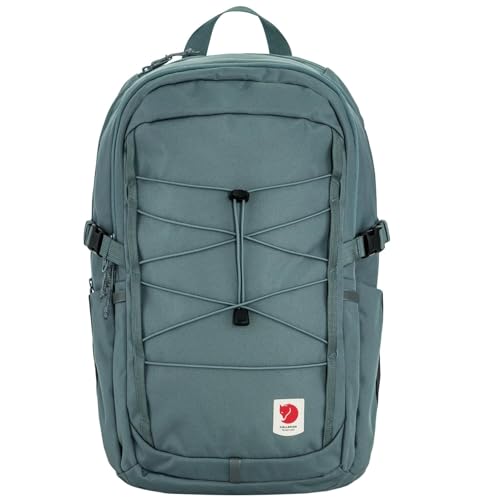
Fjällräven Skule 28 Backpack, Nimbus Blue
Meet The Standout Selections
The Tempest 20 focuses on a women’s-specific fit rather than simply shrinking a general daypack. Its continuous-wrap harness and hipbelt contact more of the torso, which can feel steadier during steep climbs or long descents. That support matters more than extra pockets for hikers carrying water, shells, and compact food.
The 20L capacity suits day hiking, biking, and peak-bagging missions without approaching the bulk of the Osprey Rook 50L later in this list. The panel-loading shape also makes gear easier to reach than a narrow top-opening pack. Fit remains personal, so women with a longer torso may need to check the adjustment range closely.
Practical Pluses
- The contoured harness and hipbelt distribute loads across a broader contact area.
- External loops accept trekking poles, an ice axe, a bike helmet, or a compact light.
- Panel access keeps frequently used layers and trail supplies easy to reach.
- The AirScape back panel uses a molded structure that follows movement on uneven ground.
Worth Noting
- A 20L pack leaves little room for bulky overnight layers or a large food cache.
- Outdoor owners should inspect the straps periodically because repeated loading can loosen threaded hardware.
Key Specs
Built With In Mind
Women seeking a close-fitting pack for day hikes, cycling, and fast peak-bagging routes benefit most from the Tempest’s supportive women’s-specific layout.
Another Choice May Suit
The Osprey Rook 50L offers more suitable capacity for hikers moving gear into a campsite or on a multi-night trip.
The Rook 50 moves into full backpacking territory, carrying the tent, insulation, food, and reserve layers that the Tempest leaves behind. An adjustable torso system helps match the pack to the wearer, an important detail because suspension comfort depends heavily on torso length and load placement.
Its integrated rain cover provides an immediate layer of weather protection during showers. That is useful on exposed trails, though the cover cannot manage every prolonged downpour, and pack owners still need to protect critical gear inside sealed liners.
What Works In Its Favor
- The 50L volume accommodates multi-night camping equipment without relying on roof-mounted storage.
- Ladder-lock torso adjustment offers several fit positions for different body proportions.
- An integrated rain cover reduces the need to carry a separate shelter layer.
- AirSpeed suspension provides a structured platform for heavier loads.
Trade Offs
- Its size and empty weight make it less convenient than the Tempest for short outings.
- The built-in rain cover may still need careful drying before storage after sustained rain.
Feature Snapshot
Who It Suits Best
New and experienced backpackers carrying camping equipment for several nights benefit from the Rook’s larger volume and adjustable support.
Consider Something Else When
The Osprey Tempest 20L provides a lighter, less intrusive carry for day hikes and quick summit routes.
Hydration turns this compact pack into a self-contained carry for shorter trails and warm-weather cycling. The included 500ml soft flask holds water close to the body, while the 17L shell leaves room for a layer, snacks, and a few compact essentials.
Nylon construction and a ventilated, high-density foam back panel form the foundation for active use. Compared with the padded laptop-oriented Skule 28 later in the list, this model has a more focused outdoor purpose, although its smaller organization limits travel flexibility.
Reasons It Performs
- The included soft flask removes the need to select a separate reservoir for shorter outings.
- Nylon fabric suits repeated contact with brush, grass, and trail debris.
- The foam back panel adds structure and separates much of the pack from the wearer’s spine.
- Hydration remains accessible during movement without occupying a large main-compartment pocket.
Small Caveats
- A 17L capacity is narrow for camping equipment, cookware, or insulating layers.
- The soft flask and drinking hose need regular washing before storage to prevent residue and odors.
- Summer hikers may still carry more water than the included reservoir provides.
The Right Fit
Day hikers and cyclists seeking a compact pack with a ready-to-use hydration reservoir benefit from this lighter setup.
A Better Fit Elsewhere
The Fjällräven Skule 28 Backpack suits travelers who need laptop storage and broader compartment organization alongside hydration.
The Mardingtop 50L emphasizes storage volume and modular attachment rather than a minimal profile. Its internal frame supports camping loads, while exterior loops and webbing can accept bulky items that would otherwise consume the main compartment. That makes it practical for campers moving more equipment than a minimalist hiker typically carries.
The included rain cover adds useful weather coverage, while dedicated hiking-pole attachment points keep trekking gear secure. Compared with the Osprey Rook 50L, this model offers more explicit modular storage, but less information about torso adjustment and suspension refinement.
Bright Spots
- The 50L interior accommodates camping equipment and a suspended sleeping bag.
- External attachment areas provide flexible placement for poles, a tent, or a hammock.
- A patch area supports identification or small organization markers.
- The rain cover protects the outer pack during ordinary trail showers.
A Few Limitations
- The large exterior load can become uncomfortable on a long, exposed ascent.
- Straps and modular webbing collect dirt, mud, and grit during regular camping use.
- Its bulk makes it less suitable for travelers carrying compact electronics.
Key Attributes
Made For
Budget-conscious campers carrying substantial gear benefit most from the Mardingtop’s volume, attachment system, and included rain protection.
Where A Sibling Pick Shines
The Osprey Rook 50L is the more refined choice for backpackers who prioritize fit adjustment and suspension support over extensive modular attachment.
The 20L N NEVO RHINO balances day-hike capacity with multiple zippered compartments. Its main opening, middle pocket, and two front pockets keep small items separated, reducing the familiar pile of keys, snacks, and gloves found at the bottom of a basic daypack.
An internal hook-and-loop strip can hold a hydration liner, while a top opening accepts the hose from a reservoir. That compatibility matters for long, warm routes, although the reservoir itself is not identified among the supplied details, so I would not assume one is included.
Useful Touches
- Four zippered areas help separate trail layers, snacks, phone accessories, and small personal items.
- The 11-by-5.9-by-18.5-inch shape provides defined room for day-hike equipment.
- Hydration-liner support expands the pack’s usefulness on warm routes.
- The front-access layout makes frequently used supplies easier to locate.
Possible Compromises
- The listed water-resistant material should not be treated as protection during immersion.
- Open seams and fabric may need extra care in sustained rain.
- The 20L size remains less manageable than a smaller hydration pack for bicycle riding.
Who Will Love This
Casual day hikers and travelers needing inexpensive compartment organization benefit from this flexible 20L layout.
Reach For A Different Pick When
The N NEVO RHINO 17L Hydration Backpack is easier to keep compact on a bike because its reservoir setup is already specified.
The XMILPAX 25L takes a modular approach suited to hunting, airsoft, camping, and everyday carry. MOLLE webbing, which refers to a strip-and-loop attachment system, allows compatible pouches and tools to connect across the front and sides without occupying the main compartment.
Olive and brown color options fit field-oriented settings, while a spacious central compartment and two front pockets handle bulkier organization. Unlike the N NEVO RHINO 20L, this pack prioritizes a tactical layout over a conventional day-hiking arrangement.
Positive Points
- Front and side MOLLE webbing expand carrying options for compatible field gear.
- Two front pockets separate smaller equipment from the main interior.
- The 25L capacity sits between compact day use and full backpacking volume.
- Muted field colors work well for hunting, airsoft, and practical outdoor setups.
Things That May Matter
- A MOLLE-heavy profile can look bulky after several external pouches are added.
- Elastic, buckles, and webbing need regular brushing after dusty field use.
- The tactical organization may be less convenient for hikers who prefer one large compartment.
Feature Rundown
Best Suited To
Hunters, airsoft participants, and modular-kit fans benefit from the XMILPAX’s accessible attachment layout.
Look Elsewhere When
Traditional day hikers who prioritize streamlined organization may prefer the N NEVO RHINO 20L Outdoor Daypack.
The Skule 28 bridges outdoor use and travel by including a padded compartment for a laptop up to 15 inches. A top opening supports a hydration drinking tube, while a front compartment with mesh organizers keeps chargers, keys, and small travel accessories easy to find.
Oxford fabric and a recycled-polyester lining create a durable shell and interior. Air-mesh padding on the shoulder straps and back panel improves airflow during airport waits and warm hikes, though 28 liters remains larger than a minimal daypack.
Points In Its Favor
- The padded laptop compartment transitions smoothly from trail days to work travel.
- Hydration-tube access allows use with a compatible reservoir system.
- Front mesh organizers prevent small travel items from scattering through the main compartment.
- Padded straps and an air-mesh back panel improve daily carrying comfort.
- Oxford fabric gives the exterior more structure than basic lightweight daypacks.
Details To Watch
- The laptop area and mesh pockets require careful cleaning before damp trips.
- Travelers seeking lighter luggage may find the 28L shape unnecessarily substantial.
Essential Details
Whose Shelf It Belongs On
Office workers, students, and hikers who divide time between laptops and trails benefit from the Skule’s dual-purpose storage.
Swap It Out When
Dedicated overnight hikers benefit more from the Osprey Rook 50L’s larger camping volume and adjustable torso system.
Matching Capacity and Carry Needs
Capacity should follow trip duration before it follows storage appeal. A 17L to 20L pack handles water, layers, snacks, and trail tools, while 25L offers room for more equipment and 50L suits multi-night camping loads. Carrying excessive empty space creates avoidable bulk and makes packing less deliberate.
Fit deserves equal attention. A technical backpack uses a suspension system, meaning shoulder straps, a hipbelt, and a back structure transfer weight away from the shoulders. Adjustable torso hardware can improve stability, but the result still depends on torso length, load distribution, and how tightly the pack is closed.
Access and attachment systems shape daily convenience. Panel loading favors frequent access, while top openings sit well with hydration and travel organization. MOLLE webbing supports external pouches, but a tactical layout may be unnecessary for straightforward hiking. Owners should inspect buckles, stitching, zippers, and straps before and after heavy trips.
Making the Capacity Call
Capacity alone does not determine comfort. Suspension design, torso adjustment, hip-belt support, and weight distribution often shape the carrying experience more than a modest change in volume. A larger pack that sits close to the back may handle a camping load better than a roomier model with limited structure.
First Day-Hike Choices
Day hikers benefit from 17L to 28L packs because they cover water, clothing, electronics, and compact trail gear. A laptop compartment adds travel utility, while an included reservoir reduces setup work on warm routes.
Avoiding Common Pack Mistakes
Pitfalls Shoppers Hit
A common mistake is choosing by appearance without checking torso length or strap range. Another is treating water-resistant fabric as rainproof, particularly during sustained rain. I would also avoid overfilling a small daypack, since loose gear can pull the shoulder harness out of position.
When Paying More Pays Off
Higher spending often goes toward more substantial materials, structured carry systems, adjustable suspension, and organized storage. Those features matter for loaded trips or frequent travel, while a casual hiker carrying light day-use gear may benefit more from a compact and uncomplicated model.
Frequently Asked Questions
What size technical backpack suits a day hike?
A 17L to 25L pack generally accommodates water, a weather layer, snacks, and compact trail accessories without excessive bulk. Larger options become useful for camping gear or travel accessories.
Is a 50L backpack necessary for one-night camping?
For a minimal overnight setup, a 50L pack provides useful margin for shelter, sleeping gear, insulation, food, water, and extras. Tent and sleeping-bag bulk can reduce the space available for the rest of the kit.
Which technical backpack works for cycling?
A compact hydration pack suits cycling because it keeps water within easy reach and avoids a bulky main compartment. The Tempest also supports bike-helmet attachment for riders who need helmet storage.
What does MOLLE mean in a backpack?
MOLLE is an acronym associated with a modular strip-and-loop attachment system. Compatible pouches and gear can fasten to the pack’s webbing, allowing external expansion.
Can one backpack handle hiking and work travel?
A 25L to 28L model with a padded laptop compartment can handle both roles. The travel pouch needs internal dividers to prevent laptop movement and impact against hard equipment.
Final Verdict
I find the Osprey Tempest 20L best suited to women-focused day hikes, the Rook 50L to multi-night backpacking, and the two N NEVO RHINO models to lighter hiking and cycling. The XMILPAX serves modular field setups, while the Fjällräven Skule 28 bridges trail use and laptop travel.
The most useful choice is the one whose capacity, suspension, and access patterns match the actual load. Well-fitted equipment feels simpler from the first mile to the last.
